


You scroll through photos of infinity pools, private beaches and rooftop cocktails. Then you check your bank balance and feel that familiar thud in your chest. Holidays abroad can feel like a choice between “all out luxury” and “stay at home and save.” It’s frustrating.
But here’s the thing. You don’t have to pick one extreme. You can travel well without draining your savings. You just need to stop thinking in black and white and start thinking in layers.
Redefine what luxury actually means
We’ve been sold a very glossy version of luxury. Five-star hotels, marble bathrooms, champagne on arrival. It looks great on social media but when you’re the one paying for it the shine fades fast.
Luxury doesn’t have to mean gold taps and valet parking. It can mean space and peace and quiet. It can mean waking up near the sea instead of to traffic. Sometimes it’s about privacy and comfort rather than brand names.
If you want that more luxurious feel without the eye-watering price tag look for alternatives. For example, you can check out websites like Beach Stays to find the perfect coastal holiday cottage instead of booking a chain hotel. A well-located cottage can feel indulgent in its own way. More room, more freedom, fewer crowds and often better value.
Plan your splurges, don’t scatter them
One of the biggest mistakes we make is spending randomly. A fancy dinner here, an overpriced excursion there. Airport shopping “just because.” Before you know it, you’ve spent luxury money without feeling like you had a luxury trip.
Instead, pick your moments. Choose one or two experiences that matter to you. Maybe it’s a boat trip, maybe it’s a Michelin-star meal or maybe it’s a spa day. Go big on that and enjoy it properly.
Then scale back on the rest. Cook in your accommodation, use public transport and skip the overpriced tourist menus. When you’re deliberate your money stretches further. You feel in control instead of mildly stressed every time you tap your card.
Add in freedom instead of overplanning every minute
There’s a temptation to fill every hour. You’ve travelled all this way, so you feel like you need to make the most of it. Tours in the morning, museums in the afternoon, dinner reservation at eight. It looks productive on paper, but it can feel exhausting in reality.
Some of the most luxurious parts of a trip are the gaps. Sleeping in, wandering without a destination and changing plans because the weather suddenly turned perfect. When you stop micromanaging your itinerary you give yourself room to breathe.
And here’s the bonus. Overplanning often leads to overpaying. Pre-booked tours, rigid packages and last-minute taxis because you’re running late all add up. Leaving space in your schedule can mean taking advantage of local deals, free events or spontaneous discoveries that cost little but feel priceless. That kind of freedom is a luxury in its own right.
Don’t confuse price with the experience
We’ve all fallen for it. The expensive activity must be better, right? Not always. Some of the best travel memories come from simple things. Walking through local markets, sitting in a café people-watching or finding a quiet beach at sunset.
There are luxurious and fun places to visit that won’t cost an arm and leg. You just have to look slightly off the main tourist drag. Smaller towns, shoulder seasons and local recommendations instead of influencer lists.
High prices often reflect location and demand, not magic. A rooftop bar in a prime area will charge you triple for the view. Walk ten minutes away and you might get the same sunset for half the price. It’s about curiosity not just cash.
Choose accommodation that works for you
Accommodation is usually the biggest expense and it’s also where you can win or lose your budget battle. Big hotels come with convenience, but they also come with markups for things you may not even use.
Think about how you actually travel. Do you spend most of your time out exploring? Then you don’t need a giant suite. Do you love slow mornings and cooking local food? A self-catered apartment might suit you better.
When you find the right balance, you can travel to some amazing places while staying within your budget. It’s not about being cheap. It’s about paying for what you’ll genuinely enjoy not what sounds impressive on paper.
Travel at smarter times
Peak season can feel like a test of patience. Higher prices, longer queues and packed beaches. You end up paying more for less space and less comfort. It’s not always worth it.
If you have flexibility, aim for shoulder seasons. Late spring or early autumn. The weather is often still good. The crowds thin out and prices drop in a way that feels almost unfair.
Flights can also fluctuate wildly. A bit of flexibility with dates or airports can save you hundreds. That money can then fund experiences you actually care about. A better meal, a longer stay or a more comfortable return flight. Timing is one of the easiest ways to upgrade your trip without upgrading your budget.
Focus on what you’ll actually remember
When you’re planning, it’s easy to get caught in comparison mode. “They stayed there.” “They did that tour.” “We should probably book something similar.” But half of those decisions aren’t about you. They’re about not missing out.
Pause and think about what sticks in your memory from past trips. Was it the thread count of the hotel sheets or was it laughing over street food at midnight? Was it the private transfer or the unexpected local festival you stumbled across?
When you build your holiday around experiences that matter to you the pressure drops. You stop chasing someone else’s version of luxury. You start creating your own. That’s when trips feel rich even if they weren’t expensive.
It’s not luxury or budget, it’s a balancing act
Holidays don’t have to swing between extremes. You don’t have to max out a credit card to feel pampered and you don’t have to sacrifice comfort to save money.
When you redefine luxury, plan your splurges and stay intentional you get the best of both worlds. This is usually when people realise it’s not about spending more it’s about spending smarter. And that’s when travelling abroad starts feeling both indulgent and sustainable.
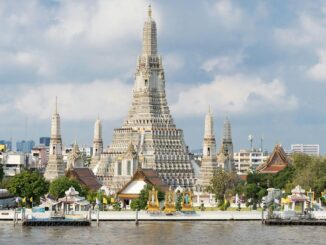
Photo by Andrea Piacquadio from Pexels


Be the first to comment