

Hitting the road for a big trip is exciting but a car breaking down can totally turn that dream vacation into a nightmare. Before you even think about cruising off, spending a little time checking your ride can save you a lot of hassle and make sure your journey is smooth and safe from start to finish.
Why pre-trip inspections matter
Think of a pre-trip inspection as your first defence against those annoying roadside emergencies. It’s not just about kicking the tyres; it’s taking a good look at all your car’s most important bits. Spotting something small like low coolant or a worn belt while you’re still in your driveway is just a minor hiccup. But finding out about it hundreds of miles from home. That could mean expensive towing and huge repair bills. Following a simple pre-trip inspection checklist can help you catch potential problems before they get big. For extra peace of mind, especially before a really long drive, getting your car checked out by professional mechanics can uncover hidden issues you might not see yourself.
Checking your vehicle’s vital fluids
Your car needs all sorts of fluids to run correctly. Checking them is one of the easiest but most important things you can do before a trip. Most of these checks only take a few minutes and all you need is a rag and a flat surface.
Engine oil: This is like your engine’s lifeblood. Pull out the dipstick, wipe it clean, push it all the way back in, then pull it out again to check the level. If it’s low, top it up with the right kind of oil for your car. If the oil looks dark and gritty, it’s definitely time for a change.
Coolant: This keeps your engine from getting too hot. Check the level in the clear overflow tank. Just a heads up: never open a hot radiator cap! If it’s low, add the correct coolant mix.
Brake fluid: Important for stopping. You’ll usually find the reservoir on the driver’s side. The fluid should be at the “full” line and look clear or a bit yellow. Dark or murky fluid could mean it needs replacing.
Windscreen washer fluid: Okay, so it won’t keep your engine running, but good visibility is key for safety. Fill up the reservoir so you can easily clear off any bugs and grime you pick up on the road.
Brake system health for safety
Your brakes are probably the most crucial safety feature on your car. Don’t wait for something to go wrong before you pay attention to them. Before your trip, really notice how your brakes feel and sound during your everyday drives. Listen for any squealing, grinding or clicking noises. Feel for any shaking or pulsing in the brake pedal or steering wheel when you hit the brakes. If the pedal feels squishy or goes too far down, that could be a serious problem. These are all common brake problems that need a pro to look at right away. A brake system that works perfectly gives you the confidence to handle anything the road throws at you.
Tyres and wheel alignment
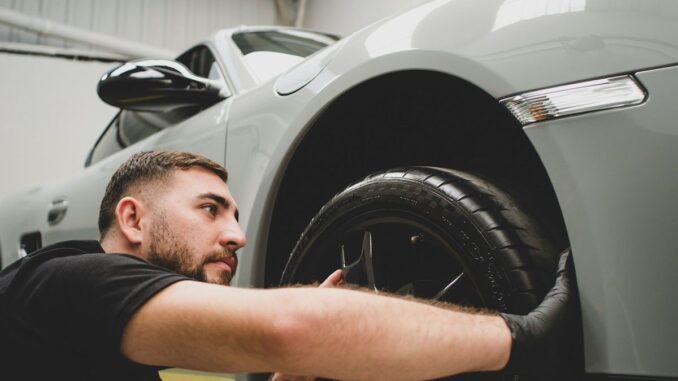
Your tyres are the only part of your car actually touching the road, so their condition is important. First, check the air pressure in all four tyres and don’t forget the spare! You’ll find the recommended pressure on a sticker inside the driver’s door jamb not on the tyre itself. Next, take a look at the tread. A simple way to check is with a penny or 20p coin: stick it into the tread with Lincoln’s head pointing down. If you can see the top of his head or the outer band of the coin, your tread is low and those tyres might need replacing. Also, keep an eye out for uneven wear patterns which could point to an alignment issue. Proper wheel alignment helps your car drive straight and makes your tyres last longer which is good for both safety and gas mileage.
When to see professional mechanics
While you can do a lot of basic checks at home, some things really need a mechanic’s tools and know-how. You should definitely book a visit with a mechanic if you spot any of these: your “check engine” light is on, you hear weird or constant noises from the engine, or your car just feels different when you’re driving. Issues with the transmission, complicated electrical systems or anything that makes you feel unsure are best left to the experts. A mechanic can run diagnostic tests to pinpoint problems and make sure everything is ready for a long trip, giving you the best shot at a trouble-free adventure.
Taking the time to do these important checks will help make sure your car is just as ready for the road trip as you are, especially if you’re planning an eco-friendly road trip. A little bit of prep goes a long way toward a safe and unforgettable journey.
Photo by Deniz Demirci on Unsplash


Be the first to comment