


Embarking on a long-distance sailing adventure represents the culmination of dreams for many sailors with the promise of distant horizons, remote anchorages and the freedom only offshore cruising provide. However, the difference between a successful voyage and a challenging ordeal often lies in thorough preparation. Your boat becomes home, transportation and safety capsule for extended periods, making comprehensive preparation essential rather than optional. Understanding what requires attention, how to prioritise tasks and when to seek professional assistance ensures your vessel is genuinely ready for the adventures ahead.
Assessing Your Boat’s Readiness
Honest evaluation of systems
Begin preparation by conducting a brutally honest assessment of every onboard system. Long-distance cruising exposes weaknesses that coastal sailing might never reveal. Examine the rig thoroughly for signs of wear, corrosion or fatigue. Inspect through-hulls and seacocks, as failure at sea creates serious emergencies. Evaluate engine reliability, electrical systems capacity and plumbing integrity. Document everything requiring attention, prioritising safety-critical items whilst noting desirable improvements that budget and time may not allow immediately.
Understanding your boat’s capabilities
Different vessels suit different voyaging styles. Production cruisers offer parts availability and widespread familiarity amongst marine technicians. Purpose-built bluewater yachts from manufacturers like Oyster Yachts provide design features specifically intended for extended offshore passages with robust construction, generous tankage and thoughtful systems redundancy. Understanding your boat’s strengths and limitations helps you plan routes and prepare appropriately, ensuring ambitions align with capabilities.
Critical Systems and Equipment
Rigging and sail inventory
Your rig must withstand thousands of miles of varied conditions. Have standing rigging professionally inspected, replacing anything approaching manufacturer-recommended service life. Check swages, terminals and turnbuckles for cracks or corrosion. Running rigging experiences heavy use during extended passages so replace halyards, sheets and control lines showing wear. Your sail inventory should include appropriate sails for all conditions, including working sails for daily use, storm sails for severe weather and light-air options for tropical calms.
Engine and mechanical systems
A reliable auxiliary engine provides safety and convenience, particularly in crowded anchorages or during adverse conditions. Service the engine comprehensively. Change oil and filters, inspect cooling systems, check belt condition and verify starting systems work flawlessly. Carry extensive spares including filters, belts, impellers and specialised tools. Understanding basic engine maintenance and troubleshooting proves invaluable when professional assistance isn’t available for weeks.
Electrical and energy management
Modern cruising demands substantial electrical capacity for navigation electronics, communications, refrigeration and lighting. Assess your energy budget realistically, ensuring generation capacity exceeds consumption. Solar panels provide silent, maintenance-free charging in sunny climates. Wind generators supplement solar in higher latitudes. Battery capacity should support several days without charging. Invest in quality battery monitoring, allowing informed energy management decisions.
Water and tankage
Fresh water availability dramatically affects cruising autonomy. Large tankage extends time between fill-ups, whilst water makers provide independence from shore supplies. If installing a water maker, choose appropriate capacity and ensure you understand maintenance requirements. Redundant water storage – jerry cans or bladder tanks – provides security if primary tanks fail or become contaminated.
Safety Equipment and Emergency Preparedness
Life-saving equipment
Offshore sailing demands comprehensive safety gear. Life rafts require professional servicing within validity periods. Personal safety equipment – harnesses, tethers and lifejackets – must fit properly and be readily accessible. Man-overboard recovery systems and practices deserve serious attention, as recovery at sea proves extraordinarily difficult. EPIRB registration should be current, and you should carry appropriate flares and signalling devices.
Medical supplies and training
Remote cruising places you days or weeks from professional medical care. Comprehensive medical kits should address common injuries and illnesses, whilst specific medications accommodate crew members’ individual needs. First aid and basic medical training courses provide confidence handling emergencies. Telemedicine services offer remote consultation, though satellite communication enables these consultations.
Storm preparation
Heavy weather inevitably occurs during extended voyaging. Storm sails – trysail and storm jib – require proper installation hardware and crew familiarity with deployment. Sea anchors or drogues provide options for riding out severe conditions. Ensure all hatches, ports and vents can be securely closed. Practice heavy weather procedures before departure and not when conditions deteriorate offshore.
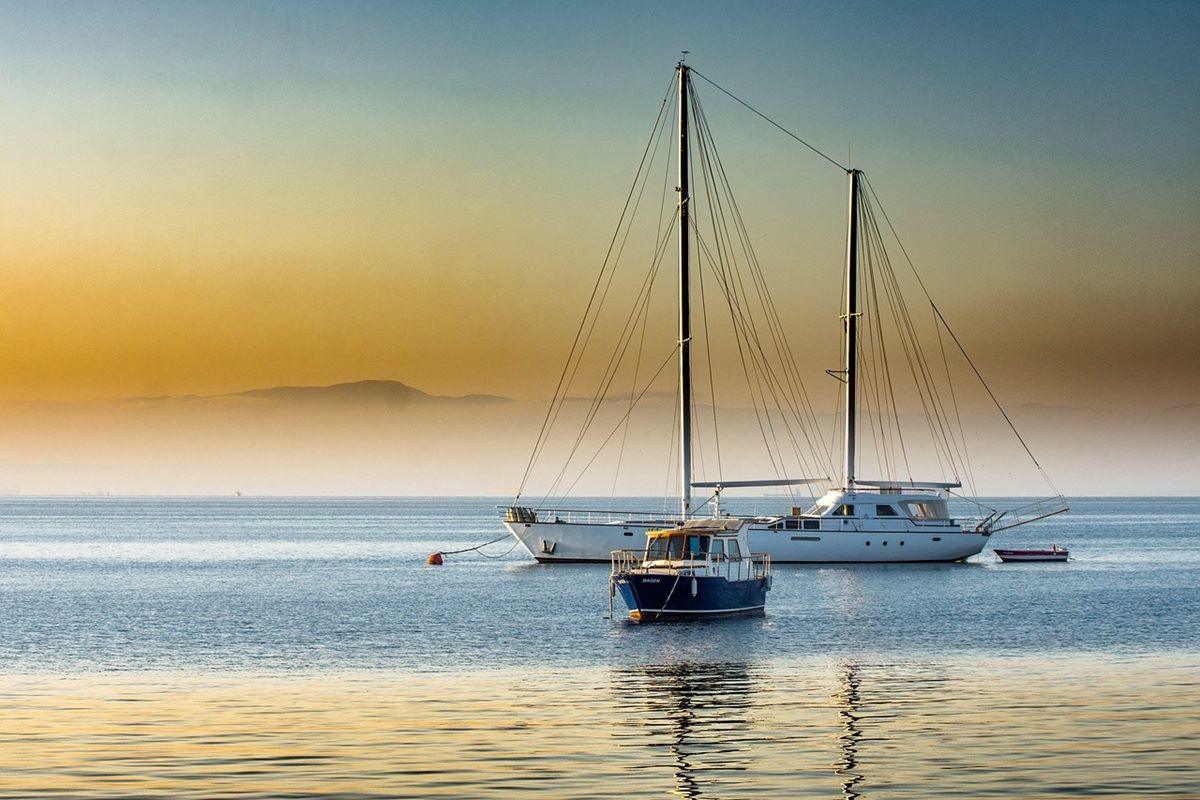
Image by Christo Anestev from Pixabay
Navigation and Communication
Electronic and paper systems
Modern navigation relies heavily on electronics – GPS chart plotters, radar, AIS – yet backup systems remain essential. Carry paper charts for primary cruising areas, understanding that electronics fail. Handheld GPS units provide navigation backup consuming minimal power. Compass deviation should be checked and compensated as the compass may become your primary navigation tool if electronics fail.
Communication equipment
Reliable communication provides weather information, emergency assistance access and connection with loved ones. VHF radio handles short-range communication and emergency calls. SSB or satellite communication enables long-range weather routing and email. Satellite phones provide voice communication globally. Understanding how to operate all systems before departure prevents confusion when you need them most.
Provisioning and Stowage
Longterm food storage
Extended passages require careful provisioning balancing nutrition, storage life and crew preferences. Dried goods, canned foods and long-life products form the foundation. Vacuum sealers extend fresh food viability. Organised stowage with inventory lists prevents unnecessary duplicate purchases and helps locate items in crowded lockers. Consider dietary restrictions, cooking fuel capacity and refrigeration limitations when planning provisions.
Spare parts and tools
Carrying appropriate spares proves crucial when marine chandleries are thousands of miles away. Stock engine spares, sail repair materials, plumbing components, electrical supplies and fasteners. Specialised tools for your boat’s specific systems enable repairs. Balance comprehensiveness with storage space limitations, prioritising items most likely needed or difficult to source remotely.
Testing and Shakedown Cruises
Systematic testing
Before departure, test every system under realistic conditions. Run the engine for extended periods, monitoring temperature and charging. Deploy and practice using all sails. Verify pumps, heads, water makers and refrigeration operate reliably. Identify problems now rather than discovering them offshore when solutions prove far more difficult.
Shakedown voyages
Extended day trips or weekend cruises reveal issues short dock trials miss. Practice anchoring, sail changes and emergency procedures. Evaluate stowage effectiveness and crew workflow. Adjust and improve before committing to major passages. These shakedowns build crew confidence and familiarity with the boat’s characteristics.
Frequently Asked Questions
How long does proper preparation take?
Comprehensive preparation typically requires 3-6 months, though this varies based on the boat’s condition, work performed professionally versus personally and preparation thoroughness. Starting early prevents rushed decisions and allows thoughtful, systematic preparation addressing all requirements.
What’s a realistic budget for preparing a boat?
Preparation costs vary enormously based on boat condition and voyage ambitions. Budget 10-20% of the boat’s value for comprehensive preparation including safety equipment, systems upgrades and necessary repairs. Costs increase significantly if major systems require replacement or substantial refits are needed.
Should we hire professionals or do the work ourselves?
This depends on skills, time and budget. Critical systems – rigging inspections, through-hull servicing, engine work – often warrant professional attention ensuring proper completion. Straightforward tasks – varnishing, provisioning, routine maintenance – suit DIY approaches. Balanced approaches combining professional expertise for complex work with personal effort elsewhere prove cost-effective.
How do we prioritise tasks with limited budgets?
Prioritise safety-critical items first – rigging integrity, through-hull condition, life-saving equipment. Next address reliability – engine servicing, sail condition, critical systems functionality. Finally consider comfort and convenience upgrades. Never compromise safety for comfort but recognise that many comfort items can be added underway as budget allows.
What gets overlooked most often?
Documentation – passports, boat registration, insurance coverage – often receives insufficient attention until departure looms. Crew preparation – understanding systems, practicing procedures, developing watchkeeping routines – similarly gets overlooked in favour of equipment focus. Personal preparation – physical fitness, seasickness prevention, mental readiness – deserves attention alongside boat preparation.
Conclusion
Preparing your boat for long-distance sailing demands time, resources and systematic attention to countless details. However, this preparation directly determines voyage success and enjoyment. Thorough preparation provides confidence that your boat can handle whatever conditions you encounter and allows you to focus on navigation and seamanship rather than equipment problems and ensures the freedom and adventure you seek isn’t compromised by preventable failures. Whether you’re planning coastal cruising or circumnavigation, investing in proper preparation pays dividends throughout your voyage. The open ocean rewards the prepared whilst challenging the unprepared. Ensure your boat and crew fall firmly in the former category, then cast off lines knowing you’re genuinely ready for the adventures ahead.
Top image by Renan Brun from Pixabay
Be the first to comment