

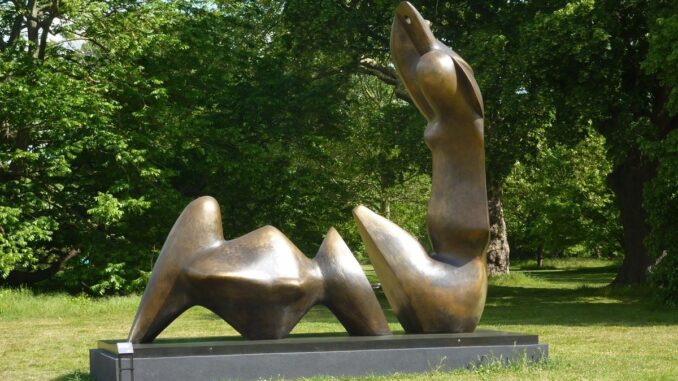
The largest-ever outdoor exhibition of Henry Moore’s work is currently on display at Kew Gardens and as Henry Moore once said:
“All art should have a certain mystery and make demands on the spectator.”
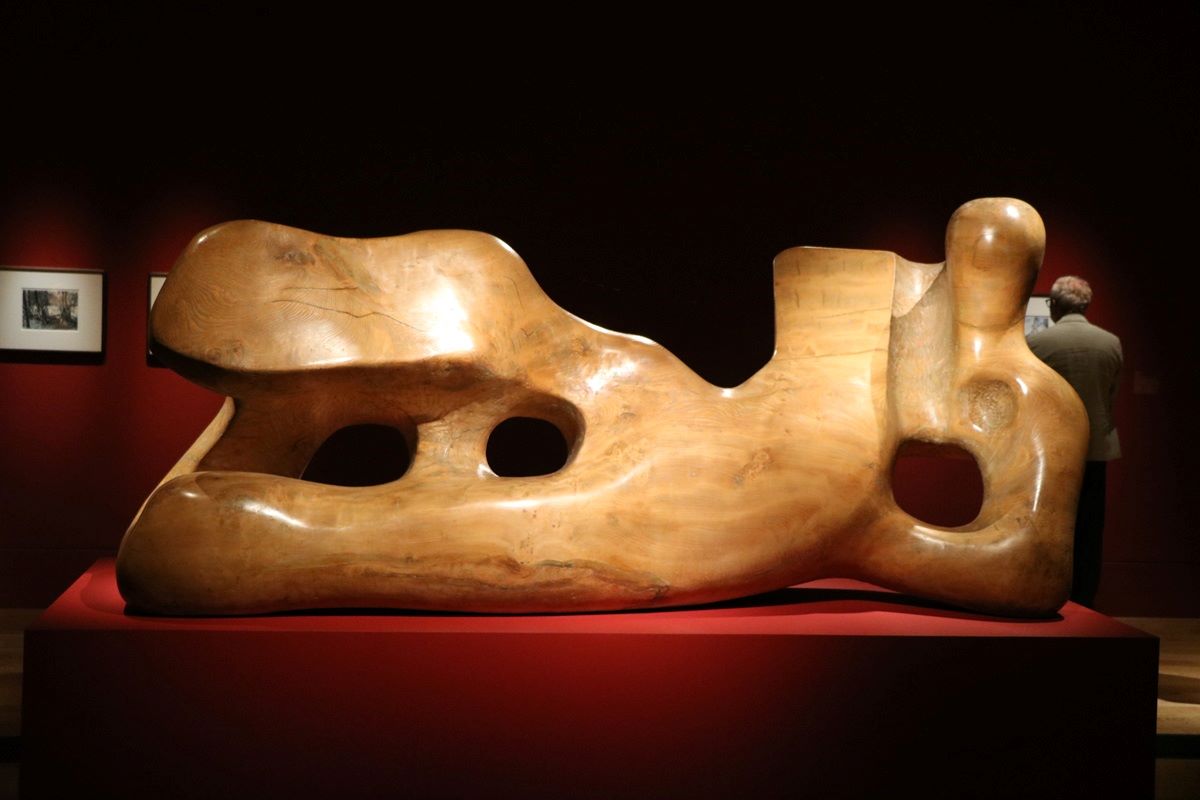
Run in partnership with the Henry Moore Foundation, this major exhibition is a buffet of delights and dizzying explosion of the famous artist’s work. 30 intriguing and massive sculptures are scattered across the Unesco site’s 320-acres, while 90 rarely seen smaller works are displayed inside the Shirley Sherwood Gallery of Botanical Art.
These exhibits range from bronze sculptures, prints and drawings to stone and wood carvings which highlight the artist’s innovative techniques. All echo his process of ‘thinking through nature’ by focusing on scale and perspective. Some of the curious embryonic forms in the gallery are the original plaster bodies used to develop his larger outdoor works which include metal and bronze figures in various poses, some reclining at a jaunty angle, others casually draped on their bases, while one figure stands tall as if rearing into the sky. Many of his works are abstract forms or shapes that weave through each other.
Paul Denton, director of creative programmes and exhibitions at Kew said:
“His enduring interest in placing the human figure within the landscape speaks to our timeless and shared connection with the natural world.”
Moore, a pioneer and global star of his day, is lauded for his semi-abstract monumental bronzes and lifelong passion for natural forms and materials. Sebastiano Barassi, Head of Henry Moore collections and programmes at the Henry Moore Foundation added:
“Throughout Moore’s career he was inspired by organic forms – bones, stones, trees and the rhythms of the landscape. By presenting his sculptures we are offering a fresh perspective on his legacy, one that invites visitors to reflect on nature, humanity and the environment at a time when those themes feel more relevant than ever.”
Moore’s love of Nature was resolute, and he believed that landscapes provided the perfect setting for his work, declaring sculpture was ‘an art of the open air’ and that the environment’s natural architecture amplified the visual and emotional impact of his work. He explained:
“As well as landscape views and cloud formations, I find that all natural forms are a source of unending interest – tree trunks, growth of branches from the trunk, each finding its individual air space.”
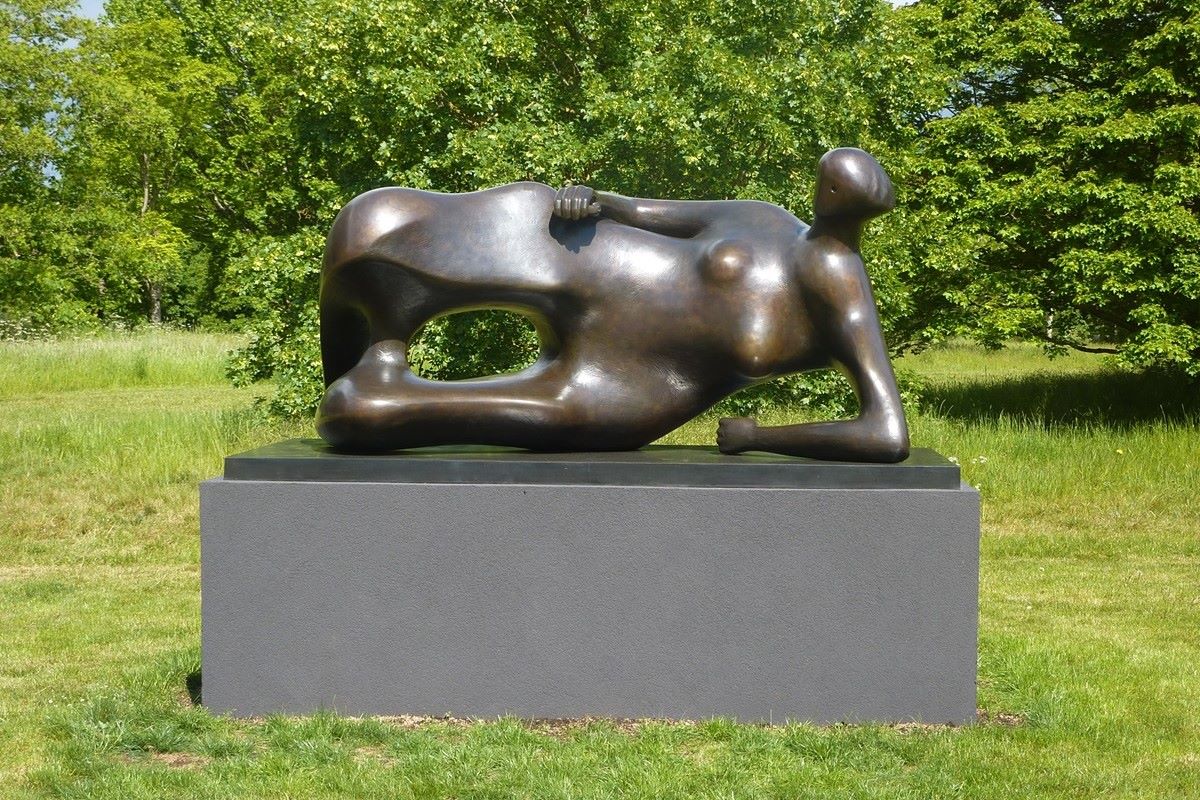
As I wandered round looking at the sculptor’s works, some curious, others outlandish, many graceful, every piece sculpted in the living present tense, it was certainly easy to see how nature’s outdoor gallery had sparked his imagination.
It is possible that you might have considered visiting these glorious gardens currently awash with Moore’s marvellous masterpieces but haven’t yet done so. May I suggest that now is the time? You won’t be disappointed.
The Henry Moore Exhibition at Kew Gardens is currently running until 31st January 2027 and you can find more information at www.kew.org and at Wakehurst, West Sussex from 5th June 2026 until 23rd May 2027, and for more information please visit: www.kew.org/wakehurst.
Author Bio:
Gilly Pickup is an award winning journalist and author of 13 traditionally published books.
Photographs by Gilly and Mike Pickup

Be the first to comment