

Every agency promises the bespoke and the exclusive. A few direct questions show who actually delivers it.
Search for a trip to Morocco and you will meet the same promise a hundred times: bespoke, exclusive, unforgettable. The words have been used so freely that they no longer separate one company from another. Yet the gap between two agencies that sound identical on a website can be the gap between a journey remembered for years and one spent quietly managing problems.
I have run a travel agency in Marrakech for several years and I am often asked how a traveller should tell companies apart. There is no secret, only a handful of questions that reveal how a business really works. Among the many deluxe Morocco trips agencies now competing for attention, the good ones answer these questions easily. The weaker ones change the subject.
Why the choice matters more here
Morocco is not a destination where a booking platform can do the thinking for you. Distances are long, the best houses are small and fill early and the experiences that define a trip depend on people rather than inventory: a craftsman who opens his workshop, a table set in the dunes, a quiet hour in a monument before it opens to the public. None of this can be selected from a drop-down menu.
That is why the choice of agency matters more here than for a city break in Paris or Lisbon. You are not buying a product from a shelf. You are choosing the people who will interpret a country on your behalf, and the quality of that interpretation is the trip.
-
Who is actually behind the company?
A genuine Moroccan agency is licensed by the Ministry of Tourism, and it will give you its licence number without hesitation. Memberships in recognised professional bodies, such as the American Society of Travel Advisors, are a further sign of accountability. Be wary of faceless websites with no names, no photographs and no address.
You should be able to find out who the founders are and to speak to them directly. In a small agency, the person who answers your first email should be the person who designs your journey. If your enquiry disappears into a sales team, the person who knows the country will be several steps away from you for the rest of the process.
-
Do they design the journey or resell it?
Many companies abroad sell Morocco itineraries that are built by a local operator, adding their own margin and an extra layer of delay. There is nothing dishonest in this, but it is worth knowing. Ask who designs the trip, who books the houses and who answers the telephone when something changes at seven in the evening on day four.
An agency based in Marrakech that works directly with its guides, drivers and hotels shortens that chain considerably. Decisions are made by people who know the roads and the houses and problems are solved in minutes instead of passing through three inboxes.
-
Who will be with me on the road?
Guiding inside the medinas requires a Moroccan state licence which is a meaningful filter on competence. Ask whether your guide holds one and ask how they will be matched to you. The best guides do more than recite facts. They interpret the etiquette of the souk, the meaning of a pattern, the reason a family has run the same workshop for four generations.
Then ask about the driver. A professional driver who stays with you for the whole journey, including the airport pickup, learns how you like to travel and removes a surprising amount of friction. Ask about the vehicle too. Cities and main roads call for a comfortable air-conditioned car or van, mountain roads and desert approaches for a four-wheel drive, and no transfer at any stage should be shared with strangers.
-
Which rooms, exactly?
In Morocco, the difference between two rooms in the same riad can decide the mood of a stay. A riad of eight rooms may have a quiet suite on the roof and a room beside the street door, and both appear under the same name and category. A serious agency books named rooms rather than categories and says so in the proposal.
Ask which houses they work with directly, and why. Long-standing relationships with palace hotels, mountain kasbahs and small desert camps are what secure the better rooms, the early check-in and the table that is not available online. They are built over years, and they cannot be bought in a season.
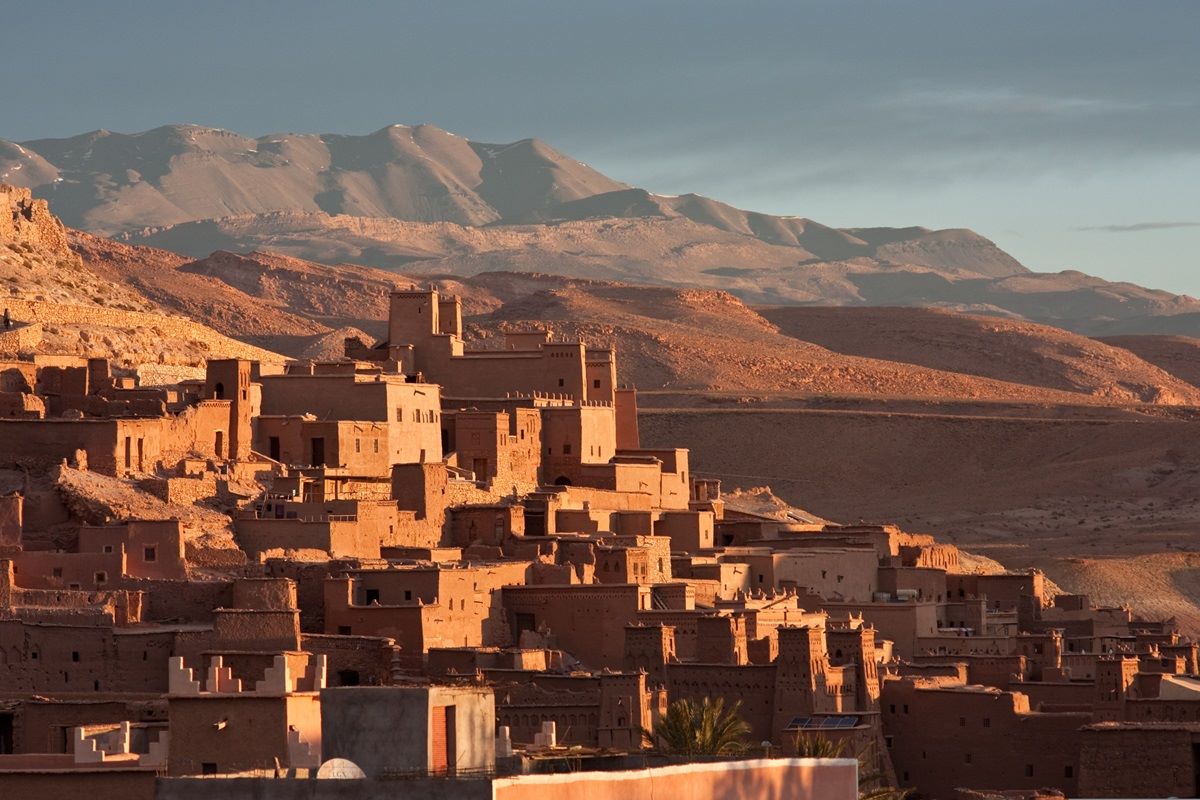
Image of an ancient city in Morocco by sosinda from Pixabay
-
How tailored is “tailor-made”?
The phrase is everywhere, so test it. Genuine Tailor-Made Tours of Morocco have no fixed departure dates, no shared vehicles and no group of strangers setting the pace. They begin with a conversation about how you like to travel, not with a catalogue of sights.
There is a simple test. Ask whether the plan can change on the morning of day four. If the answer is yes and the agency explains how it builds slack into every day, you are speaking to a company that means what it says. A glossy brochure with your name pasted at the top is a catalogue in disguise.
-
What happens when plans change?
They will. The medina may feel overwhelming on the first afternoon, a conversation may run long, or the weather may turn on the mountain road. Good agencies design for this. They leave room in every day, they keep the content of each day flexible, and they remain reachable throughout your stay.
Ask who you will call and whether it is the same person from start to finish. The answer says a lot about whether the agency regards your trip as a transaction that ends at payment or a commitment that ends when you are safely home.
-
How do they talk about money?
Frankness about budget early in the conversation is the sign of an agency that respects your time. Budget determines the calibre of the houses, the exclusivity of the access and how much ground can be covered without the trip turning into a series of long drives. A company that avoids the subject until late is usually hiding something.
Ask what the proposal will contain. It should be a complete itinerary: route, named properties, daily experiences, transport and one all-inclusive figure. No placeholder listings and no supplements revealed after you have committed. A fast reply also tells you something. Within a couple of days is reasonable for a proposal that has been properly thought through.
When to start the conversation
Timing is part of the choice. For spring, from March to May, and autumn, from September to November when conditions are most comfortable across the country, three to six months of notice is sensible. The small riads and desert camps fill first and the best rooms go early.
Shorter notice is workable and good agencies have designed journeys in under two weeks, but the choice of houses narrows. Ask how an agency handles a late request. An honest answer will tell you what is still available and what has gone rather than promising everything.
Reading the reviews properly
Reviews can help if you read them closely. Discount the generic praise. Look instead for guests who name a guide or a driver and describe a specific moment: the shoes made to measure and delivered to the hotel before departure, the late-evening transfer that was still handled by the same driver, the table in the dunes that appeared exactly as promised.
Specific detail is hard to fake. It also shows what the agency does when no one is watching, which is the real measure of service. Pay attention, too, to how a company deals with the occasional imperfect review. Calm, factual replies are a good sign.
The question behind the questions
Behind all seven lies a single idea. A good Morocco specialist is not trying to sell you the most, the longest or the most elaborate trip. They are trying to match a country of enormous variety to the way you want to travel, and that sometimes means saying no. It means advising you to drop a city, to stay longer in one place or to postpone a desert night until the weather is right.
The agency that tells you what to leave out is usually the one that knows what to keep. Choose accordingly and you will spend your time in Morocco enjoying it rather than managing it.
Author Bio
Benoît Cordonnier is director of Morocco Luxury Highlights, a licensed travel agency based in Marrakech that designs private, tailor-made journeys across Morocco.
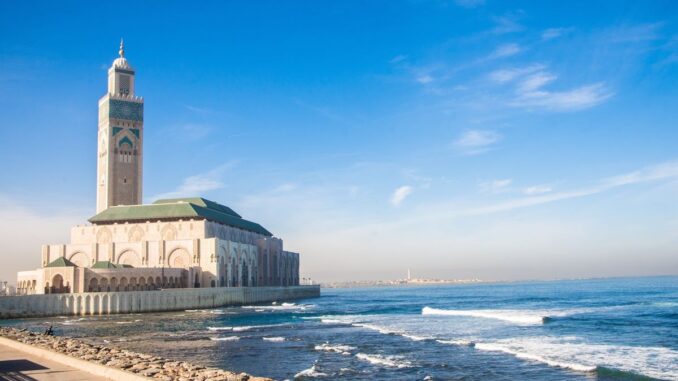
Top image of the Hassan II Mosque in Casablanca by Mehmet A. from Pixabay


Be the first to comment