


A long road trip is one of travel’s greatest joys until, well, it isn’t. That sinking feeling when a strange light flashes on your dashboard or you hear a noise your car definitely shouldn’t be making can quickly turn an adventure into a stressful ordeal. It’s even worse when you’re hundreds of miles from your trusted mechanic. A vehicle breakdown is always a hassle, but when it happens far from home it can feel like a full-blown crisis. Luckily, having a clear plan can help you manage the situation calmly and get you safely back on your way.
Safety steps immediately after a breakdown
The moment you realise something’s off with your vehicle your top priority is safety. Seriously, don’t panic! Just signal your intention and carefully steer your car to the hard shoulder of the road. Pull over as far as you can, making sure you give yourself and other drivers plenty of space.
Once you’re stopped turn on your hazard warning lights right away to make your vehicle visible to passing traffic. If you happen to have reflective triangles or flares in an emergency kit, pop them behind your car to give oncoming drivers an early heads-up. According to official guidance on roadside emergency safety, it’s often safest to just stay put in your vehicle with your seatbelt on, especially on a busy highway. Stepping out can put you at risk from other cars.
Assessing the situation
Before you dial for help, take a quick moment to figure out what might be wrong. But only do this if you can do it safely without leaving your car or putting yourself in harm’s way. Some issues have simple fixes. Did you run out of petrol? Is a tyre flat? These are things you might be able to spot pretty easily.
However, for anything more complicated – like smoke coming from the engine, weird grinding noises or a complete power loss – it’s best not to play guessing games. Resist the urge to pop the bonnet and start fiddling around; you could make things worse or even hurt yourself. Your job isn’t to be a roadside mechanic but to accurately describe the situation to the pros who can help. Make a note of what you were doing when the car conked out (accelerating, cruising, braking) and any sounds or smells you noticed.
Calling for roadside assistance
With a basic idea of what’s going on, it’s time to call for help. If you’ve got a roadside assistance plan through your insurance or an organisation like AAA, that should be your first call. Have your membership card and location ready; they can send a service provider right to your exact spot.
If you don’t have a pre-paid service, you’ll need to find a local company. Grab your smartphone and search for emergency towing services near you. Be ready to tell the dispatcher your location (your phone’s map app is great for accuracy), your vehicle’s make and model and a description of the problem. This info helps them send the right kind of truck and equipment.
Preparing for a tow
While you’re waiting for assistance to show up, use the time to get ready. Gather your driver’s license, vehicle registration and insurance information. You should also decide where you want your vehicle taken. If you’re in an unfamiliar area the tow truck driver can often suggest a good local repair shop.
It’s also smart to think about what you’ll need if you and your car end up separated for a day or two. Pack a small bag with any essentials from your vehicle: medications, phone chargers, toiletries and any valuables you don’t want to leave behind. Knowing what to do when your car breaks down far from home includes planning for the short-term inconvenience of being without your own transport and belongings.
Getting back on the road
Once your car is safely at a repair shop, the next part of the adventure begins. Chat with the mechanic and get a clear diagnosis plus an estimate for how long the repair will take and what it will cost. If it’s a quick fix, you might just need to hang out at a nearby coffee shop.
If the repairs are extensive and will take several days, you’ll need to figure out your next steps. This could mean renting a car to keep your trip going, finding a local hotel to stay in while the work gets done or even arranging for longer-term transport if you need to head home before your car is ready. The main thing is to stay flexible and focus on solving one problem at a time: first the car, then your travel plans.
A breakdown on the road is definitely a frustrating interruption, but it doesn’t have to ruin your entire trip. Focusing on safety first and tackling each step logically helps you handle the situation with confidence and turn a potential crisis into a manageable detour.
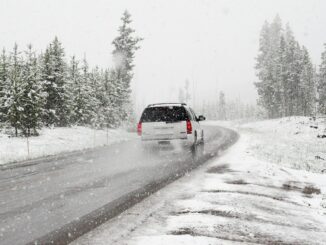
Photo by Gustavo Fring from Pexels


1 Trackback / Pingback