

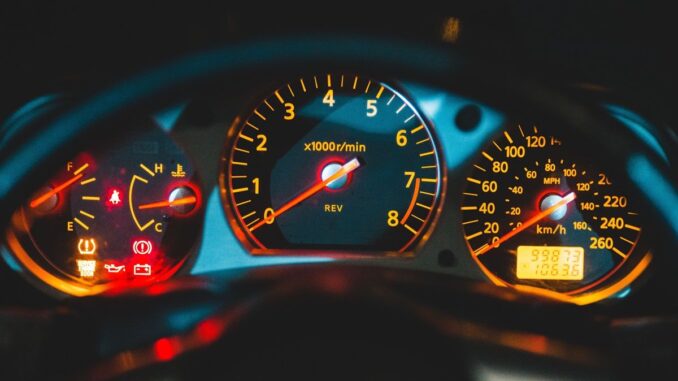
Nothing puts a damper on a great road trip faster than a mysterious light flashing on your dashboard. That sudden ping and new glowing symbol can cause a spike of anxiety, especially when you’re miles from the nearest town. Knowing what your car is trying to tell you is the first step to handling the situation calmly and correctly, making sure you and your vehicle stay safe on your travels.
These lights aren’t there to scare you; they’re just your car’s way of chatting. While some are simple reminders, others can be serious warnings that need immediate attention.
Dashboard symbols explained
Your car’s dashboard might light up like a Christmas tree when you first turn the key, but those lights should disappear once the engine is running. If one stays on, it’s time to play detective. The lights usually have a colour code to show how urgent things are. Green or blue lights are typically just for information, like your high beams being on. Orange or yellow lights suggest a potential issue that needs checking soon, such as low tyre pressure or a problem with the engine system. Red lights are the most critical, signalling a problem that needs immediate action, like low oil pressure or an overheating engine.
Every car model is a little different, so it’s always a good idea to get familiar with your vehicle’s specific manual. However, many symbols are universal. You can find excellent visual guides online that break down the most common dashboard warning lights and what they mean. Knowing these basic car light meanings can help you decide whether you can keep driving or whether you need to pull over right away.
The importance of quality auto parts
When a warning light tells you a part is failing, the quality of its replacement really matters. It can be tempting to go for the cheapest fix, but this often turns out to be a false economy. Using low-quality parts can mean the same problem pops up again sooner rather than later or even cause damage to other parts of your vehicle. This is especially true for 4WDs and utility vehicles that often work harder.
Investing in reliable, high-quality auto parts makes sure your repair lasts and is safe. Good suppliers offer parts that meet or even beat the original manufacturer’s specifications, giving you confidence that your vehicle will perform as it should. Whether it’s a crucial engine part or a simple sensor, choosing quality parts is an investment in your car’s lifespan and your own safety on the road.
When to get professional help
While some warning lights point to issues you can handle yourself like tightening a loose fuel cap to fix an emissions warning, many need a professional to diagnose them. If a red warning light indicating a serious mechanical problem appears, the safest thing to do is pull over as soon as it’s safe, turn off the engine and call for roadside assistance or a tow to a mechanic. Driving with a critical warning light, like for oil pressure or engine temperature, can cause huge and expensive engine damage.
For amber or yellow lights, you generally have a bit more breathing room. But you shouldn’t ignore them. These lights are your car’s way of saying something needs attention soon. If you’re not sure what the light means or how to fix it, it’s always best to book your car in with a qualified mechanic to get it properly checked out and repaired.
Preventative maintenance tips
The best way to deal with dashboard warning lights is to focus on preventing car breakdown in the first place. Regular, preventative maintenance is key to keeping your vehicle in top shape and avoiding surprises on the road.
- Check your fluids regularly: This includes engine oil, coolant, brake fluid and windscreen washer fluid. Low levels can trigger warning lights and lead to serious problems.
- Monitor your tyre pressure: Modern cars often have a Tyre Pressure Monitoring System (TPMS). Keeping your tyres properly inflated improves fuel economy and safety.
- Stick to your service schedule: Regular servicing lets a mechanic spot and fix potential issues before they become major problems. A simple service can save you a lot of money and stress later on.
- Listen to your car: Pay attention to any new noises, smells or changes in how your car feels to drive. Catching issues early is always better.
A little bit of care goes a long way. Staying on top of maintenance helps you enjoy your drives with the confidence that your car is running smoothly and reliably.
Don’t let a small light on your dash ruin your day. Understanding what the symbols mean and committing to regular maintenance helps you keep your vehicle running safely for many miles to come.
Photo by Erik Mclean from Pexels


Be the first to comment