The latest addition to Alain Milliat’s monovarietal alcohol-free bubbly range is a Blanc de Blancs is made from Chardonnay grapes grown on the Coste Blanche, a limestone hillside in the south of France. It is blended with 10% Verjus from white grape varieties to reveal its full freshness.
Its golden colour with pink undertones is immediately captivating. Its intense notes evoke luscious notes of roasted Mirabelle plum and heather honey.
On the palate, the balance is carried between a delicate sweetness, a tangy freshness and a fine, effervescent texture.
This lively and elegant Chardonnay brightens up aperitifs and delicate dishes. And teetotallers, designated drivers, no alcohol fans and those requiring Halal certification.
Grape juice has grown up. It has come a long way from Schloer and fizzy Concord. Now, grape juice is not just for ninth birthdays. It is for all ages, all celebrations and all occasions.
Sparkling grape juice has improved dramatically in quality and its highest quality forms are beginning to catch the eyes and palettes of sommeliers looking for new and sophisticated 0.0% food pairing options.
Wine buffs will always scorn grape soda as a food accompaniment. It’s nothing more than sugar-filled, purple-coloured water with carbon. And not at all gastronomic. But sommelier spiel is changing to cater for changing tastes.
“May I propose an organic de-alcoholised sparkling blanc de blancs revealing exceptionally fine and persistent bubbles. The colour is brilliant golden with delicate green reflections, limpid and crystalline. The nose is complex and deep, marked by white flowers (hawthorn, lime blossom), citrus notes and a touch of brioche The palate is silky and elegant, carried by a fine and persistent effervescence. The structure is supported by a vivid mineral framework, combining precision and balance. It has a bice long and saline finish.”
Diners are now being persuaded to consider “jus de raison petillant”.
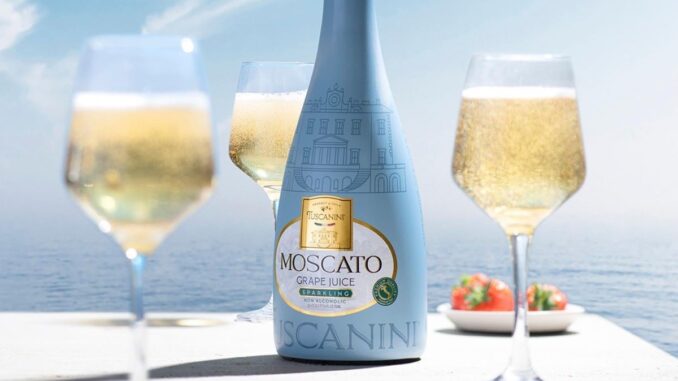
Perhaps a Tuscanini Sparkling Moscato or Bianco? Or maybe a Predeberg Lighthearted? Or a South African West Cape Swartland. Maybe even a Kedem Catawba grape juice? Or a New Zealand Nine Months or a young Oddbird?
Sparkling grape juice is drier and less sweet than grape juice. It’s made from white and red grape juice. The more expensive ones use natural carbonation: the grape juice is left to ferment a bit to create natural carbonation before it is flash-pasteurised.
The range is widening with each year: White Pearl, Donelli, Professor Grappin, Noughty and Opia.
Didier Goubet’s Organic Sparkling Semillon Grape Juice emphasises its organic certification, indicating that the grapes used are grown without synthetic pesticides or fertilizers. It is a good example of how grape juice has become a refined taste experience complementing many dishes just as well as wine. South Africa’s Babylonstoren is another high-end effervescent Semillon grape juice.
The category is no longer a children’s wine. It is for the sophisticated.
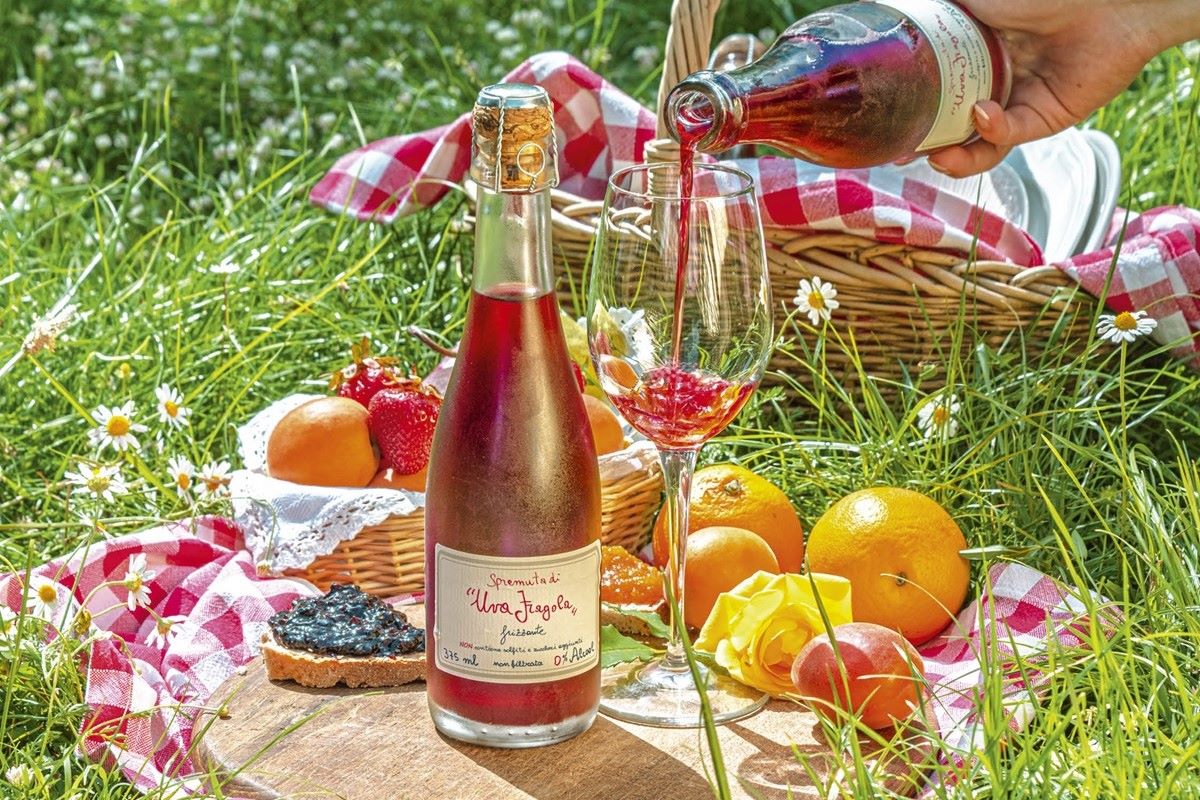
Italy’s organic-biodynamic Vialla Frattoria uses Uva Fragola or Verdicchio grapes for still and sparkling grape juice. Full of antioxidants and protectants after being pasteurised at a low temperature (70°C), the decanted (unfiltered juice) is immediately bottled. This prevents the yeasts it contains from transforming the sugar into alcohol. The minerals and polyphenols are preserved in a refreshing alcohol-free drink without added sulphites.
Austria’s premium Hajzan Neumann Traubensaft Pricklelnd is an organic 2025 vintage option with notes of green apple and pear.
Sparkling grape juice is just carbonated grape juice. It’s not wine that has had its alcohol removed. It was never wine or alcoholic. Welch’s iconic grape juice was founded in the early 20th century to provide a non-alcoholic alternative to wine in religious services and was part of the temperance movement that aimed to eliminate alcoholic beverages in society.
Now it is being used in mocktails such as a Hugo Spritz (combine 1 oz elderflower syrup, 8 oz chilled sparkling white grape juice, 2 oz club soda and mint). Or Champagne Punch (blend white grape juice with lemon-lime soda and a splash of vanilla syrup) and a Sparkling Sangria (combine sparkling red grape juice with fresh diced apples, oranges and grapes).
California’s Castille do Amorosa suggests a Sweet Cherry Twist for which you will need 1 cup cherry cola, ½ cup sparkling grape juice, 1 tablespoon fresh orange juice, a dash of cinnamon (optional for a light spice note). Some ice cubes and orange slices and rosemary sprigs for garnish. Then fill a glass with ice cubes, pour in the sparkling grape juice and fresh orange juice, add a dash of cinnamon if you want a subtle spiced note and slowly pour the cherry cola over the mixture before finally garnishing with an orange slice or rosemary sprig.
Ensure your sparkling grape juice is thoroughly chilled before mixing to maximise carbonation and enhance the presentation with frozen grapes, mint leaves or a lemon twist. Serve in champagne flutes or stemless wine glasses to elevate the experience.
Grape juice, be it still or sparkling, is no longer just for kids, killjoys, prudes and those who have to keep their flushed, now it is for discerning connoisseurs and gourmands.
Author Bio:
Kevin Pilley is a former professional cricketer and chief staff writer of PUNCH magazine. His humour, travel, food and drink work appear worldwide, and he has been published in over 800 titles.
Photographs courtesy of Tuscanni and Fattoria La Vialla
Be the first to comment