

A road trip can change quickly after a collision, but a calm response can protect everyone involved and prevent further complications. Once the immediate shock has passed, focus on personal safety, accurate records and practical arrangements for the vehicle.
General road trip accident guidance can help you prepare, though local road rules and insurance procedures will vary. Keep emergency contacts, policy details and roadside assistance information somewhere accessible before every long drive.
Prioritise passenger safety first
Move away from traffic if the vehicle can be driven safely, then switch on the hazard lights and stop in a secure place. Check every passenger for pain, dizziness or visible injury, remembering that some symptoms can appear later. Contact emergency services if anyone needs medical help or if the collision has blocked the road.
Avoid standing between vehicles or close to moving traffic. If it’s safe, place a warning triangle well behind the car and wait beyond the roadside barrier. Practical wrong turn advice also stresses the value of staying calm when plans suddenly change.
Document damage for insurance claims
Take wide photographs showing the road, vehicle positions and surrounding signs, followed by close-ups of each damaged area. Capture several angles in good light and include the registration plates where appropriate. Note the time, weather and exact location, then exchange contact and insurance details with the other driver without discussing responsibility at the roadside.
Save recovery receipts, accommodation bills and alternative transport costs since your insurer may request them. Clear records will also help a panel beater assess visible damage and identify areas needing closer inspection. Contact your insurer promptly and keep the original image files, as their timestamps may support your account.
Find a reputable body repairer
Ask your insurer whether you can choose the repair facility and confirm what the policy covers before authorising work. A reputable repairer should provide a written estimate that explains labour, replacement parts, paintwork and any structural checks. They should also tell you how long the assessment and repairs are likely to take.
Damage beneath a bumper or body panel may not be obvious from photographs. Ask whether the repairer checks chassis alignment, safety systems and mechanical components affected by the impact. Read recent customer reviews, confirm any warranty in writing and be cautious if someone presses you to approve work before explaining the proposed repairs and costs.
Continue your journey with confidence
Don’t resume the trip until a qualified professional has confirmed that the vehicle is safe to drive. Steering that pulls to one side, leaking fluid, warning lights or unusual noises all justify stopping and arranging recovery. If repairs will take several days, check whether your policy includes a hire car and ask where it may be returned.
When the car is ready, inspect the repaired areas in daylight and review the invoice before leaving. Keep that paperwork with your insurance correspondence in case a problem appears later. Before setting off again revisit these road trip safety tips, check tyre pressure and adjust the route if fatigue or delays have made the original plan unrealistic.
A changed itinerary may be inconvenient but it’s far better than rushing back onto the road in an unchecked vehicle. Give yourself time to recover, confirm the repair and restart the trip only when both you and the car are ready.
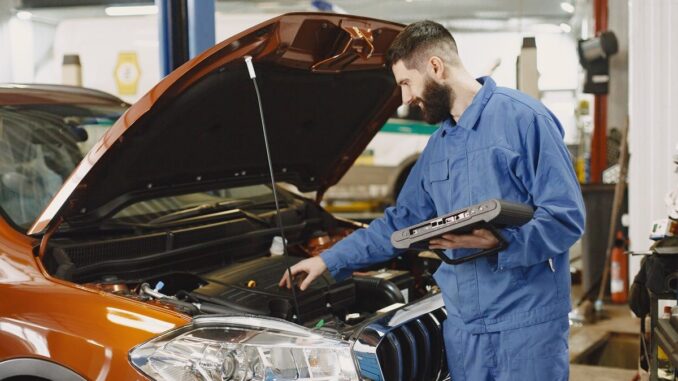
Photo by Gustavo Fring from Pexels



Be the first to comment