

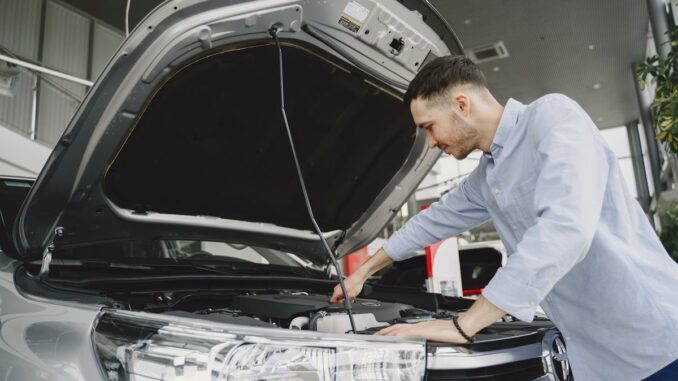
Remote roads place extra strain on a vehicle and leave far less room for minor faults. Long distances, uneven surfaces, high temperatures and limited phone coverage can turn a small mechanical issue into a serious delay. Before leaving sealed roads or travelling between isolated communities, check the vehicle’s condition, confirm its load limits and plan for interruptions.
A careful inspection is especially valuable when the next service station may be several hours away.
Understanding remote driving demands
Start by reviewing the full route, including road surfaces, distances between fuel stops and any seasonal closures. The vehicle must cope with the conditions while carrying passengers, luggage, water and recovery equipment without exceeding its maximum permitted weight. Extra weight increases stopping distances and puts more pressure on tyres and suspension components.
Check tyre pressures when the tyres are cold, including the spare, then inspect tread and sidewalls for cuts, bulges or uneven wear. Road safety guidance for long distance motorists also stresses rest breaks and route planning. Tell someone where you’re going and when you expect to arrive, particularly where mobile reception is uncertain.
Suspension, brakes and fluid levels
Book an inspection early enough to allow time for repairs and a short test drive before departure. Drivers in Tamworth can ask qualified mechanics to assess braking performance, suspension wear and general vehicle condition before a demanding trip.
Ask for brake pads, discs, hoses and fluid to be checked. A vehicle that pulls to one side, vibrates under braking or produces a grinding sound needs attention before it leaves town. Worn shock absorbers may cause excessive bouncing, poor control over corrugations and uneven tyre wear.
Engine oil, coolant, brake fluid and windscreen washer fluid should sit at the correct levels. Look under the parked vehicle for fresh leaks and review the hidden costs of skipping vehicle maintenance if routine servicing has fallen behind.
Why experienced mechanics catch hidden faults
Some problems provide no obvious warning during everyday urban driving. A cracked belt may look acceptable from above; a wheel bearing can begin wearing without making constant noise and a small cooling system leak may appear only when the engine remains under load for an extended period.
An experienced technician can raise the vehicle and inspect areas that are difficult to see at home. They can test the battery and charging system, assess steering movement, look for damaged bushes and identify fluid contamination. Diagnostic equipment may also reveal stored fault codes before a dashboard warning appears.
Give the workshop useful context. Explain the expected distance, road type, likely temperatures and vehicle load. Mention recent noises, slow starting, steering changes or unusual smells, even if they seem minor.
Emergency contingencies for isolated routes
Carry enough drinking water for every occupant plus a reserve for delays. Pack suitable food, regular medication, sun protection, a first-aid kit, a torch, charging cables and warm clothing. Paper maps remain useful if a phone loses power or mapping data becomes unavailable.
A tyre pressure gauge, jack, wheel brace and correctly inflated spare should be easy to reach. Check that you know where the vehicle’s approved jacking points are before departure. For routes beyond dependable mobile coverage, review official personal locator beacon advice and choose a communication option suited to the area.
If the vehicle breaks down, staying with it will usually make you easier to locate. Use shade, ration supplies carefully and avoid walking for help unless there is an immediate safety reason. Before setting off, leave your route, registration details and overdue time with a reliable contact, then check in as soon as you arrive.
A final fuel, tyre and fluid check on departure morning gives you the best chance of finding a new leak or pressure loss before the road becomes remote.
Photo by Gustavo Fring from Pexels



Be the first to comment