

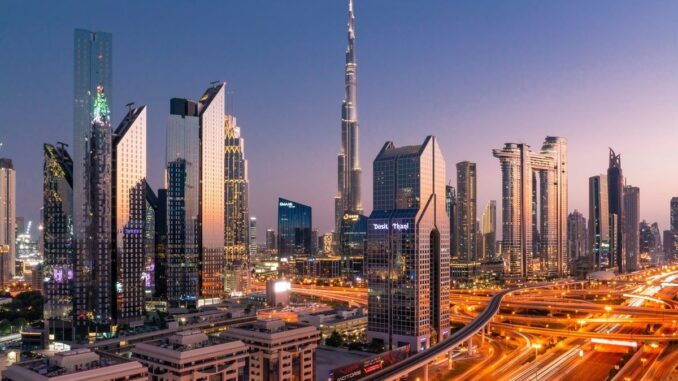
Dubai has a reputation for doing everything on a grand scale. The tallest building in the world, islands shaped like palm trees and shopping centres with aquariums inside them. All of that is real and much of it is worth seeing but the city has a quieter, more characterful side that rewards travellers who look a little further than the headline attractions.
Planning a Dubai vacation comes down to a few key decisions: when to travel, which part of the city to base yourself in and how to balance the glitz with the old souks, the desert and the remarkable dining scene. Get that right, and a few days here can feel far more varied than its glossy image suggests.
It is also a destination that suits a short stay or a stopover remarkably well. The city is compact enough to cover the highlights in four or five nights yet varied enough that a week rarely feels too long, particularly if you add a day in the desert or the mountains.
Flexibility can pay off here too. Hotels in Dubai adjust their rates sharply with the seasons, and last minute vacation deals often appear during the hotter months and the quieter weeks either side of the peak when luxury properties are keen to fill rooms. The trade-off is a narrower choice of dates and room types, so deciding on your preferred area and must have experiences in advance makes it far easier to act quickly.
When to go
The most comfortable months run from roughly November to March when daytime temperatures are warm rather than scorching and evenings are pleasant enough for outdoor dining and beach clubs. This is peak season with the highest prices and the busiest calendar of events.
From June to September, temperatures regularly climb well above 40°C and humidity can be intense. Days are best spent indoors or by the pool, with sightseeing saved for early morning and evening. In return, hotel rates drop considerably and some of the city’s most celebrated properties become surprisingly accessible.
April, May and October sit in between, offering a reasonable balance of weather and value for those who don’t mind some heat.
Choosing where to stay
Where you base yourself shapes the trip more than almost anything else.
Downtown Dubai places you beside the Burj Khalifa and Dubai Mall with easy access to the fountain shows and some of the city’s best restaurants. It suits first time visitors who want to be at the centre of things.
Palm Jumeirah is the address for resort style luxury with private beaches, expansive pools and a more relaxed, holiday atmosphere. It is ideal if you want to combine city sightseeing with genuine downtime.
Dubai Marina and Jumeirah Beach Residence offer a lively waterfront with promenade dining, beach access and a more sociable feel, particularly in the evenings.
Jumeirah, the long coastal stretch between Downtown and the Marina, is home to some of the city’s most iconic beach hotels and quieter residential streets lined with cafés.
Old Dubai, around Deira and Al Fahidi, is the choice for travellers who prefer character to polish, with heritage hotels, souks and the creek right on the doorstep.
Seeing the other side of Dubai
The historic heart of the city lies along Dubai Creek. Take a traditional abra, the wooden water taxi, across to Deira for the spice and gold souks, then wander the wind tower houses and quiet lanes of the Al Fahidi Historical Neighbourhood. It is a world away from the glass towers and offers a glimpse of how the city looked before its rapid transformation.
The desert begins less than an hour from the city centre. An evening desert safari is a popular choice but for something more refined, consider a conservation reserve experience with falconry, a sunset drive and dinner under the stars. Further afield, the Hajar Mountains around Hatta offer kayaking, hiking and a cooler climate in the winter months.
For contemporary culture, the Museum of the Future and the galleries of Alserkal Avenue show how quickly the city’s creative scene has matured.
A serious dining destination
Dubai’s restaurant scene has grown into one of the most exciting in the region, recognised by both the Michelin Guide and international critics. Alongside celebrity chef restaurants in the major hotels, you will find excellent Emirati cooking, outstanding Lebanese and Persian food and some of the best value meals in the small family run restaurants of Karama and Deira. Friday brunch, a lavish weekend institution, remains a highlight for many visitors.
Practical notes before you travel
Dubai is welcoming and easy to navigate but a few local customs are worth knowing. Dress modestly in malls, souks and cultural sites with shoulders and knees covered, while swimwear is perfectly acceptable at hotel pools and beaches. Public displays of affection are best kept discreet, and alcohol is generally served in licensed hotels, restaurants and bars.
The working week now runs from Monday to Friday with the weekend falling on Saturday and Sunday. Nonstop flights connect Dubai with several major US cities and US passport holders are currently eligible for a visa on arrival, though it is always wise to confirm the latest entry requirements before you travel.
Putting it all together
Because flights, hotels and transfers all need to work together, booking them as one package can simplify planning considerably. A specialist such as Travelodeal can compare flight and hotel combinations in one place, making it easier to weigh up a Palm Jumeirah resort against a Downtown base without juggling separate bookings.
Choose your season, pick the neighbourhood that matches your style and leave room for the creek, the desert and the dining. Do that, and Dubai reveals itself as far more than a skyline.
Photo by Maria Charizani from Pexels


Be the first to comment