

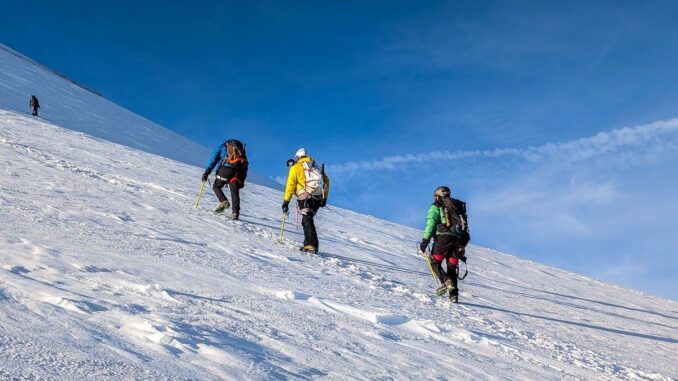
Trekking in Nepal is not just about seeing different mountains or enjoying changing scenery it is a much richer experience. A five day Poon Hill itinerary, a high-altitude Gokyo Lakes crossing and a quiet Pikey Peak trek demand very different levels of fitness, acclimatisation and logistical preparation. This guide helps you choose a route based on what matters most: mountain scenery, time, altitude tolerance and your comfort with sustained uphill days.
Choose the trek that matches your experience
The best Nepal trek is rarely the longest or highest one. It is the route you can complete safely while still having the energy to enjoy it. For many first-time Himalayan trekkers, the practical challenge is not technical climbing. It is walking day after day on steep terrain while sleeping at elevations that can affect appetite, sleep and recovery.
The Poon Hill Trek is one of the strongest introductions to Nepal. It typically takes four to six days and reaches a relatively moderate high point at Poon Hill, around 10,500 feet. You still need sound hiking fitness, particularly for stone staircases and long descents but altitude risk is lower than on Everest region or high pass routes. It suits travellers who want classic sunrise views of Annapurna and Dhaulagiri without committing to a long expedition.
The Mardi Himal Trek offers a more remote feel in a compact itinerary. Its forest approach, ridgeline walking and close views of Machhapuchhre make it especially appealing to hikers who prefer quieter trails. The high point is near 14,800 feet, so acclimatisation and a steady pace still matter. This is a good choice for fit trekkers with roughly five to eight days who want a bigger altitude challenge than Poon Hill.
For a less crowded Everest viewpoint, consider the Pikey Peak Trek. The route is known for wide Himalayan panoramas, including Everest on clear mornings, while generally staying lower than the Everest Base Camp trail. It is a sensible option for trekkers who value scenery and cultural villages but want to avoid the flight dependent logistics and heavy foot traffic of the Khumbu. Those who want to experience the Khumbu region itself while shortening the return journey may instead consider the Everest Base Camp Trek Helicopter Flyout.
The best trekking experiences in Nepal for high-altitude goals
If high alpine lakes, glaciers and serious elevation are the priority, the Gokyo Lakes Trek is among Nepal’s most rewarding routes. The trek reaches Gokyo Ri at approximately 17,500 feet where the altitude is significant even for experienced hikers. The reward is a remarkable view across Everest, Lhotse, Makalu, Cho Oyu and the Ngozumpa Glacier, along with the turquoise Gokyo lakes.
Gokyo is best for travellers who can allow enough time for acclimatisation, usually 12 to 15 days including travel buffers. Do not choose it simply because you have previously completed a demanding hike at sea level. Aerobic fitness helps but it does not prevent acute mountain sickness. A gradual itinerary, hydration, adequate food intake and willingness to take a rest day are more useful than trying to move quickly.
For those seeking a greater challenge, the Everest Three High Passes Trek combines remote valleys, glacier crossings and three demanding passes – Kongma La, Cho La, and Renjo La – while the Manaslu Circuit Trek offers a quieter Himalayan adventure with the dramatic Larkya La Pass and authentic mountain culture.
The Langtang Trek provides a strong middle ground. It combines dramatic valley scenery, Tamang culture and high mountain viewpoints without the internal flight commonly associated with Everest treks. Many itineraries take seven to 10 days. The hike to Tserko Ri can exceed 16,000 feet, making altitude awareness necessary but the overall route is often more accessible from Kathmandu than Khumbu options.
Train for the downhills not just the summit
A Nepal trekking plan should start at least eight to 12 weeks before departure. Build your training around hiking rather than only gym cardio. Long walks with elevation, stair sessions and gradual pack weight prepare your legs for the specific demands of uneven trails and repeated climbs.
Strength work matters because downhill fatigue is a common reason trekkers struggle. Squats, step-ups, lunges, calf raises and core training improve stability when your knees and quads are under load. Aim for one long hike each week, increasing duration and elevation gradually. If you live somewhere flat, use stairs, a treadmill incline or a stair machine, then add regular walking with a loaded daypack.
Your goal is not to arrive exhausted from training. In the final week, reduce volume, sleep well and address footwear issues before leaving home. New boots, poorly fitted packs and untested socks are avoidable sources of problems on the trail.
Plan around weather, permits and altitude
For most routes, October through November and March through April offer the most reliable combination of clear conditions and active teahouses. Autumn generally brings sharper mountain views after the monsoon, while spring brings warmer days and rhododendron blooms at lower elevations. Both seasons can be busy on popular trails.
Winter can work well for lower routes such as Poon Hill or Pikey Peak but cold mornings, snow and occasional trail closures require flexibility. The monsoon season brings rain, leeches in lower forests and reduced visibility, although rain-shadow regions can be exceptions.
Permit requirements vary by trekking region and can change, so verify the current rules before you travel. Some areas require a registered guide or have additional entry procedures. Carry travel insurance that specifically covers trekking at your planned maximum elevation and includes emergency helicopter evacuation. Standard travel policies frequently exclude high-altitude trekking.
A guide is not necessary for every trek, but local support can simplify permits, transport changes, teahouse arrangements and decisions when weather or altitude disrupts an itinerary. For first-time Himalayan visitors, that support can preserve valuable flexibility.
Choose a route with at least one extra day in the schedule. In Nepal, a delayed flight, rough road, heavy weather or an acclimatisation day is not a failed plan. It is often the difference between forcing the trek and finishing it with confidence.
Photo by Giancarlo Principe from Pexels


Be the first to comment