

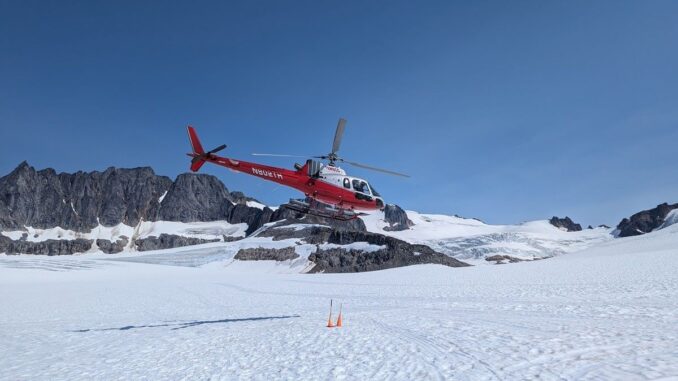
A helicopter landing at Everest Base Camp or a lodge-to-lodge trek in the Khumbu may look straightforward on an itinerary but both take place in a high-altitude environment where weather, access and your physical condition matter. Knowing how to prepare for trekking, mountaineering and helicopter trips in the Everest Region helps you make safer decisions before you leave home and when conditions change in Nepal.
Start with the right type of Everest trip
Everest region trips demand different levels of preparation. A trek to Everest Base Camp, Gokyo Lakes or Pikey Peak is primarily an endurance challenge. You need to walk for consecutive days on uneven trails, often while carrying a daypack and sleeping above 11,500 feet. The main risks are altitude illness, fatigue, cold and itinerary pressure.
For travellers with limited time or those who want to experience Everest without a full trek, the Everest Helicopter Tour offers a direct aerial journey to the Khumbu with dramatic Himalayan views.
Mountaineering adds technical consequences. Peaks such as Island Peak, Lobuche East, Mera Peak, Ama Dablam or Everest may require crampons, an ice axe, fixed-rope travel, harness work and comfort on snow and ice. Prior glacier and rope experience is strongly recommended, especially if your itinerary includes a summit attempt. A climbing guide can manage ropes and route decisions but cannot replace your own fitness, technical skills or judgment.
Popular climbing objectives such as Island Peak Climbing and Mera Peak Climbing provide a step beyond trekking, requiring additional preparation, technical skills and high altitude climbing experience.
Helicopter trips reduce walking time not altitude exposure. An Everest Base Camp with Helicopter Return combines the gradual approach of a classic trek with a scenic helicopter flight back, reducing the return walking days while adding a unique aerial perspective.
A scenic flight or a helicopter transfer can take you from Kathmandu to a high Himalayan landing point within hours. That rapid gain in elevation means you still need to monitor for headaches, nausea, dizziness and shortness of breath. A helicopter is also weather dependent, and delays or cancellations are common during poor visibility, wind or snowfall.
Build fitness for the days you will actually face
Begin training at least eight to 12 weeks before a trek. Focus on steady aerobic work such as hiking, incline walking, running, cycling or stair climbing three to five days a week. Add leg and core strength work, particularly step-ups, squats, lunges, calf raises and loaded carries.
The most useful preparation is long hiking. Gradually work toward several hours on your feet, including back-to-back days when possible. Wear the boots you plan to take and carry a weighted pack, increasing the load slowly. For most Everest treks, a daypack of 10 to 18 pounds is realistic. Climbers should train for longer summit days, often starting before dawn in freezing temperatures.
Fitness improves your enjoyment and recovery, but it does not make you immune to altitude sickness. A fast, fit hiker can develop acute mountain sickness just as easily as a slower walker.
Plan our acclimatisation before booking flights
A sensible Everest itinerary includes gradual ascent, rest or acclimatisation days and room for weather disruption. On trekking routes, avoid increasing your sleeping elevation too quickly. Many itineraries have a rest day in Namche Bazaar, followed by another higher up the valley.
Pay attention to symptoms rather than trying to push through them. Mild headache, poor sleep and reduced appetite can occur during acclimatisation. Headache combined with worsening nausea, unusual fatigue, loss of coordination, breathlessness at rest or confusion requires immediate action. Do not ascend with worsening symptoms. Descending is the most reliable treatment for serious altitude illness.
Discuss preventive medication such as acetazolamide with a qualified clinician before travel. It can be useful for some trekkers, but it is not a substitute for a slow and careful ascent.
Choose gear for cold, sun, and variable conditions
Everest weather can shift quickly. Mornings may be clear and intensely sunny, while afternoons bring cloud, wind or snow. Use a layering system rather than relying on one heavy jacket: moisture-wicking base layers, an insulating midlayer, a warm down or synthetic jacket and a waterproof shell.
Bring broken-in waterproof hiking boots, warm socks, gloves, a warm hat, UV-protection sunglasses, sunscreen and lip balm. A four-season sleeping bag or a quality liner may be needed in colder months, depending on the lodge and route. For climbing, confirm exactly what technical gear is supplied, what must be rented and what personal equipment you need to bring.
For helicopter travel pack light and keep essential medication, a warm layer, sunglasses and water accessible. Weight limits can affect luggage allowances particularly on shared flights. Soft duffle bags are usually easier to manage than hard-sided luggage.
Handle permits, insurance and logistics early
Trekking to Everest usually involves local entry and national park permits whereas mountaineering involves extra permits for climbing and special arrangements for individual peaks. These may vary, so you should always check the current procedures before your trip. A professional group at Peak Climbing Nepal can help you with all the paperwork and save time.
Purchase travel insurance that specifically covers high altitude trekking or mountaineering at the elevation you will reach. Check whether it includes helicopter evacuation, medical treatment, trip interruption and technical climbing. Many standard policies exclude these activities or limit coverage above a certain altitude.
Build at least two to three contingency days into your Nepal schedule. Flights to and from Lukla are frequently delayed by mountain weather and helicopters are not guaranteed alternatives. Flexibility is part of responsible Everest planning.
Prepare for Everest helicopter trips realistically
A helicopter trip is best treated as an aerial mountain experience, not a guaranteed shortcut to every Everest viewpoint. Landing permissions, weather, passenger weight and operational decisions can alter the route on the day. Follow crew instructions around landing sites, stay clear of rotor areas and avoid rushing around at altitude for photographs.
If your plan combines trekking with a helicopter return, schedule it after you have acclimatised on the trail. Keep your expectations practical, carry enough funds and time for changes and choose operators with clear safety procedures. The Everest Region rewards prepared travellers who leave room for the mountains to set the pace.
Be the first to comment