

There’s nothing quite like the freedom of the open road. Packing the car, setting the playlist and heading off on an adventure is one of life’s great pleasures. But before you pull out of the driveway a few simple vehicle checks can make all the difference between a dream trip and a roadside disaster. Taking an hour to make sure your car is in top shape will give you the confidence to handle whatever the journey throws at you.
Pre-trip planning essentials
Even before you touch the car a little planning goes a long way. Map out your route, noting where you can fill up on fuel and take a break. For inspiration, you could explore a few coastal road trip routes before deciding where to stop along the way. Check for any planned roadworks or closures that might slow you down. It’s also smart to have your driving licence, car registration and insurance documents easy to get to. For a detailed list of everything you might need, checking an ultimate road trip checklist can help you remember everything important, from travel snacks to your car’s manual.
Ensuring safe tyres for your adventure
Your tyres are the only part of your car that actually touches the road, so they’re super important for safety. Before any long trip you should check three main things: pressure, tread and how they look overall. Use a pressure gauge to make sure each tyre is filled to the level the manufacturer recommends, which you can usually find on a sticker inside the driver’s door. Check the tread depth; the legal minimum in the UK is 1.6mm, but more is always better, especially when it’s wet. Finally, look for any cuts, bulges or things stuck in them. If you see any damage or your tread looks low, it’s best to get a professional opinion from a good tyre shop before you head out.
Engine and fluid health
A quick peek under the bonnet can stop a lot of problems before they start. Your car needs different fluids to run smoothly and checking them is easier than you might think.
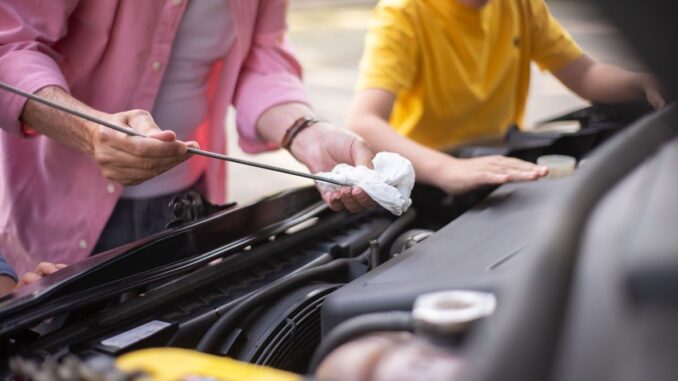
- Engine oil: Pull out the dipstick, wipe it clean, put it all the way back in and then pull it out again. The oil level should be somewhere between the minimum and maximum marks. If it’s low top it up with the right kind of oil.
- Coolant: Check the level in the coolant reservoir. If it’s below the minimum line add the correct type of antifreeze/coolant mixture. This is extra important for stopping your car from overheating on warm days.
- Windscreen washer fluid: This is a simple but really important check. Fill up the reservoir so you can keep your windscreen clear of bugs and road grime.
Brakes and suspension performance
You don’t have to be a mechanic to spot potential issues with your brakes and suspension. Just pay attention to how your car feels and sounds. Do the brakes squeal or grind when you push the pedal? Does the car pull to one side when you brake? These are clear signs that your brake pads or discs might need some attention. Likewise, if your car feels super bouncy over bumps or leans a lot when you go around corners, your suspension might be worn out. Don’t ignore these warnings and get them checked by a qualified mechanic.
Emergency kit must-haves
Even with the most careful checks, unexpected things can happen. Having a well-stocked emergency kit can turn a big problem into a small inconvenience. Make sure you have these items packed in your boot:
- A full first-aid kit
- Jump leads
- A high-visibility jacket and a warning triangle
- A powerful torch with extra batteries
- A portable phone charger or power bank
- Blankets, water and snacks that won’t spoil
A little preparation goes a long way. Once these checks are done, you can start your journey knowing you’ve done everything you can for a safe and fun trip. Now, all that’s left is to hit the road and make some memories.
Photo by Kampus Production from Pexels



1 Trackback / Pingback