

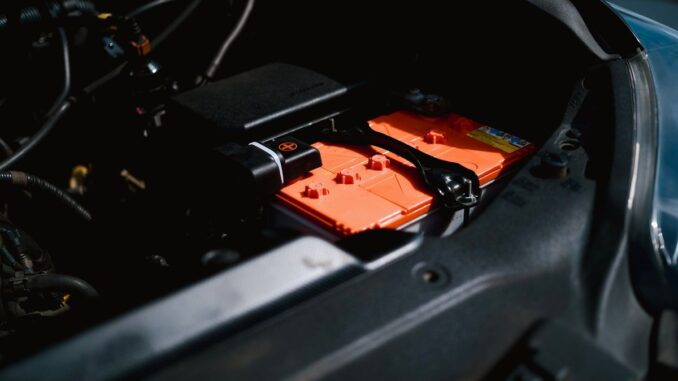
From early starts to overloaded electrics, a little battery preparation could save motorists from an inconvenient breakdown miles from home.
Before setting off on a long journey, most drivers know the routine. Check the tyre pressures, top up the screen wash, make sure there is enough oil and of course, fill up with fuel.
But there is one essential component that regularly gets overlooked: the car battery.
It is easy to understand why. Unlike tyres or warning lights, a battery often gives very little visible indication of its condition. It quietly gets on with its job, starting the engine and supporting the vehicle’s electrical systems until one morning it does not.
And there is rarely a convenient time for that to happen, particularly when the family is packed into the car, the luggage is loaded and there is a long drive ahead.
Why modern cars place more demand on batteries
The humble car battery has a harder job than it once did.
Modern vehicles are packed with electrical equipment. Heated seats, climate control, infotainment screens, parking sensors, heated windscreens and numerous electronic control systems all place demands on the vehicle’s electrical network.
Start-stop technology adds another consideration with compatible batteries designed to cope with repeated engine restarts.
Many modern vehicles use Enhanced Flooded Batteries (EFB) or Absorbent Glass Mat (AGM) batteries, depending on the manufacturer’s requirements.
These technologies are not simply interchangeable with conventional batteries. Fitting the wrong type can affect performance, charging behaviour and the operation of certain vehicle systems.
That is why choosing a replacement involves more than finding a battery that physically fits under the bonnet.
The problem with short journeys
One of the most common misconceptions about car batteries is that driving the car regularly means the battery must be fully charged. It is not always that straightforward.
Starting an engine requires a substantial burst of electrical energy. Once the engine is running, the alternator helps replenish that energy and supply the vehicle’s electrical systems.
However, repeated short journeys, particularly in colder weather, may not provide enough opportunity to restore the battery’s charge fully.
Consider a typical daily routine: a five-minute drive to school, another short journey to the shops and a quick trip home.
The engine might be started several times, while heated windows, headlights, ventilation and other equipment are used throughout.
Over time, depending on the vehicle’s charging system and battery condition, this pattern can contribute to a lower state of charge.
A longer journey may help recharge a healthy battery, but it is not a reliable solution for a battery that is already deteriorating.
Five warning signs worth noticing
Car batteries do not always fail without warning. There are several signs drivers can look out for before setting off.
- The engine is slower to start
If the starter motor sounds noticeably more sluggish than usual, particularly first thing in the morning, the battery may be struggling to deliver the required power.
- Electrical systems behave unusually
Intermittent electrical warnings, dimming lights or unexpected behaviour from accessories can sometimes indicate a battery or charging system problem.
These symptoms have several potential causes, so proper testing is important.

- Start-stop stops working
A start-stop system that rarely activates can sometimes indicate insufficient battery charge or deteriorating battery health.
However, start-stop operation is also affected by temperature, climate-control demand, engine conditions and other factors. Its absence alone does not prove the battery is faulty.
- The battery is getting older
Battery lifespan varies with usage, temperature, maintenance and operating conditions.
If a battery has been fitted for several years, having it checked before a long trip is a sensible precaution, even if the vehicle appears to be starting normally.
- You’ve recently needed a jump-start
A flat battery is not always a failed battery. The cause could be an electrical drain, limited vehicle use or a charging issue.
Nevertheless, a recent jump-start is a good reason to investigate the battery and charging system before travelling.
A simple pre-journey battery checklist
Fortunately, checking a car battery does not have to be complicated.
Start by paying attention to how the engine turns over. Does it start confidently or does the starter sound slower than normal?
If the battery is accessible, look for obvious damage, swelling, leaks or significant corrosion around the terminals. Avoid touching damaged components or attempting repairs without suitable knowledge.
Check that no interior lights or accessories have accidentally been left operating while the vehicle is parked.
If the car has been standing unused for an extended period, consider arranging a battery and charging-system check before setting off.
A professional battery test can assess factors such as starting capability and battery condition. It is more informative than relying on voltage alone, although test results still need to be interpreted alongside the vehicle’s symptoms.
For drivers planning a lengthy motorway journey or a holiday abroad, a quick check beforehand can be worthwhile.
What if the battery needs replacing?
If a battery test indicates that replacement is necessary, it is important to match the manufacturer’s specifications.
Drivers should check the required battery technology, dimensions, terminal arrangement, capacity and cold-cranking performance.
On some modern vehicles, particularly those with battery management systems, a replacement battery may also need to be registered or coded using suitable diagnostic equipment.
Motorists unsure of the correct specification can seek advice from a battery specialist or use a vehicle battery lookup tool while confirming the result against the existing battery and vehicle requirements.
Independent battery retailers such as Lucas Batteries UK provide specialist replacement battery information and selection guidance for a range of vehicles.
Don’t let a small component spoil a big journey
Most drivers would not begin a long journey with a visibly damaged tyre or an engine oil warning illuminated. Yet the battery, despite being essential to starting the vehicle, is easily forgotten.
A few minutes checking its condition, recognising early warning signs and seeking advice when something does not seem right could help avoid an inconvenient breakdown.
After all, whether you are heading off on a weekend break, visiting family or travelling across the country, the best road trips are the ones that begin with the engine starting first time.
Top photo by Ayyeee Ayyeee from Pexels



Be the first to comment