


Hitting the open road for a classic Aussie road trip is an experience like no other. There’s nothing quite like the freedom of setting your own schedule and discovering hidden gems along the way. But let’s be honest, the difference between an amazing journey and a roadside nightmare often comes down to what you do before you even pull out of the driveway. A little bit of preparation means you can focus on those stunning landscapes instead of worrying about a breakdown.
Before you hit the highway
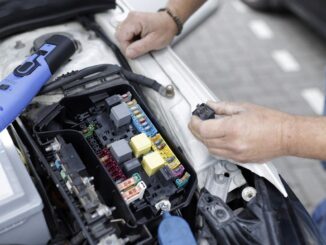
Getting your car ready is probably the most important step before any road trip. Don’t leave it until the morning you’re meant to go. Give yourself at least a week to check things over and fix any little issues. Start with the basics, what we often call the ‘TLC’ check: Tyres, Lights and Coolant.
First, check your tyre pressure and don’t forget the spare! Make sure the tread depth is well above the legal minimum. Tyres that are underinflated or worn out are a big safety risk. Next, walk around your car and test all your lights including headlights, high beams, indicators and brake lights. While the engine’s cool, top up your windscreen washer fluid and check your oil and coolant levels. A great road trip ready checklist can help you keep track of everything and make sure nothing gets missed. If you’re not comfortable doing these checks yourself, a quick trip to your local mechanic is money well spent.
Packing smart for any adventure
Once your car is sorted, it’s time to think about what you’ll put inside it. Packing for a road trip is more than just clothes and toiletries. You need to be ready for comfort, entertainment and those unexpected moments. An esky or cooler packed with water and snacks is a must-have. It’ll save you from overpriced service station food and keep everyone hydrated.
Also, put together a small emergency kit for your car. This should include:
- A first-aid kit
- A torch with spare batteries
- Jumper leads
- A tyre pressure gauge
- A portable phone charger or power bank
A well organised boot makes the whole trip much smoother. Use packing cubes or boxes to keep things separate and make sure your essentials are easy to grab. For more packing ideas a road trip travel guide can give you inspiration for everything from entertainment to handy gadgets. Oh, and don’t forget to download offline maps for your route as mobile reception can be pretty patchy in many parts of Australia!
Dealing with unexpected vehicle issues
Even the most prepared traveller can hit a snag. A flat tyre or a dead battery can happen to anyone. Knowing how to deal with these common problems can turn a potential trip-wrecker into just a minor hiccup. Before you head off, make sure you know how to change a tyre on your specific car, and that your car’s jack and tools are all in good working order.
For bigger problems like an engine failure, a transmission issue or getting stuck somewhere remote, trying to fix it yourself can often make things worse. That’s when knowing who to call for professional towing can make all the difference. A professional towing service can help move a disabled or damaged vehicle safely when it isn’t practical or safe to continue driving. Having a reliable number saved in your phone before you leave gives you real peace of mind, especially when you’re driving through unfamiliar areas or outside the big cities.
When professional help is needed
It’s good to know your limits. While changing a tyre is a handy skill, trying to do complex mechanical repairs on the side of a busy highway is just plain dangerous and usually a bad idea. Your safety is always the number one priority. If your car breaks down in a risky spot, like on a blind corner or a narrow road without much hard shoulder, the safest thing to do is get yourself and your passengers to a safe spot away from the vehicle and call for help.
Professional roadside assistance or a towing service is definitely the right call after any kind of accident, even if it seems minor. There could be hidden damage that makes the car unsafe to drive. Likewise, if you see smoke coming from under the bonnet or your dashboard warning lights are flashing red, pull over as soon as it’s safe and turn the engine off. Don’t risk causing more expensive damage or putting yourself in danger.
With these checks done and a solid plan in place, you’re all set to fill up the tank, crank up your favourite playlist and make some unforgettable road trip memories.
Photo by ArtHouse Studio from Pexels


Be the first to comment