

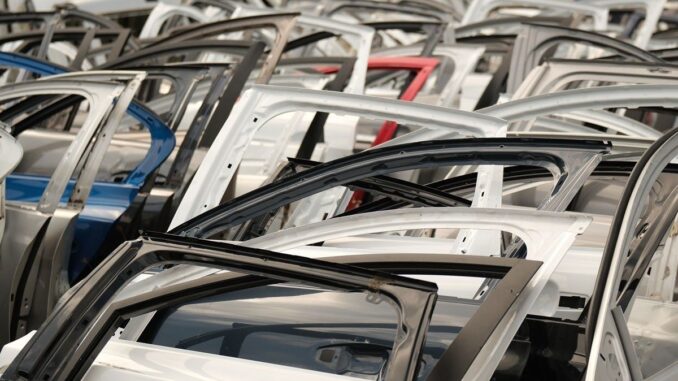
When you own a vehicle, you focus on the essentials: regular oil changes, tyre rotations and keeping it clean for your next road trip. But what happens at the very end of a car’s life? The final stage of vehicle ownership is just as important as its maintenance. Automotive recycling offers a responsible and sustainable way to handle end-of-life vehicles, transforming what could be waste into valuable resources.
Environmental impact of vehicle waste
A car that’s simply left to decay in a field or junkyard poses significant environmental risks. Vehicles contain a cocktail of hazardous fluids, including engine oil, antifreeze, brake fluid and transmission fluid. If these substances leak into the ground, they can contaminate soil and groundwater, harming local ecosystems and potentially affecting water supplies. Beyond fluids, cars contain heavy metals like lead and mercury which are toxic.
The sheer volume of material is also a concern. An average car consists of thousands of pounds of steel, aluminium, plastic and glass. Allowing these materials to sit in a landfill consumes vast amounts of space and wastes resources that could be repurposed. The impact of vehicle recycling is profound as it directly addresses these issues by preventing pollution and conserving landfill capacity. Proper disposal ensures that hazardous materials are managed safely and valuable components are recovered.
Benefits of auto parts recycling
Recycling auto parts provides both economic and environmental advantages. From an economic standpoint it creates a supply of affordable components for repairs. When a part on your car fails, buying a quality used component can be significantly cheaper than purchasing a brand-new one. This makes vehicle maintenance more accessible and helps keep older cars safely on the road longer. Professional auto dismantlers, often called wreckers, play a key role in this circular economy by carefully salvaging functional parts from end-of-life vehicles.
Environmentally, reusing parts reduces the demand for new manufacturing. Producing a new car part requires a great deal of energy and raw materials, from mining ore to forging steel. By opting for a recycled alternator or door panel, you help conserve these resources and lower the carbon footprint associated with production and transportation. This process extends the life of existing materials and reduces the overall environmental toll of the automotive industry.
Sourcing reusable components
Finding reliable used parts is easier than you might think. Many reputable auto recyclers test and certify the components they sell, offering warranties that provide confidence in their quality. The modern automotive recycling industry is highly organised with sophisticated inventory systems that allow you to find the exact part you need for your vehicle’s make and model.
Commonly sourced reusable components include:
- Engine and transmission assemblies
- Alternators, starters and other electrical parts
- Body panels like doors, bonnets and bumpers
- Wheels and tyres
- Interior components such as seats and dashboards
When searching for a used part, it’s helpful to have your vehicle’s identification number (VIN) handy to ensure compatibility. You can often find these parts through local auto recyclers or specialised online marketplaces that connect buyers with sellers across the country.
Recycling specific vehicle materials
Beyond salvaging whole components, the recycling process breaks down a vehicle into its core materials. Once all reusable parts and hazardous fluids have been removed the remaining shell is shredded into small pieces. Powerful magnets separate the ferrous metals, like steel and iron from the non-ferrous metals, such as aluminium.
This recovered metal is then sold to smelters where it is melted down and reformed into new products, often including new car parts. The plastics and glass from the vehicle are also separated for recycling. Even car tyres, which are notoriously difficult to dispose of, can be shredded and repurposed. The rubber can be used in everything from playground surfaces and athletic tracks to new asphalt for roads. This comprehensive approach ensures that nearly every part of a car is given a second life.
Thinking about the full lifecycle of your vehicle is a key part of responsible ownership. The next time you need a repair or see an old car being towed away you can appreciate the complex and beneficial process that turns potential waste back into a valuable resource.



Be the first to comment