

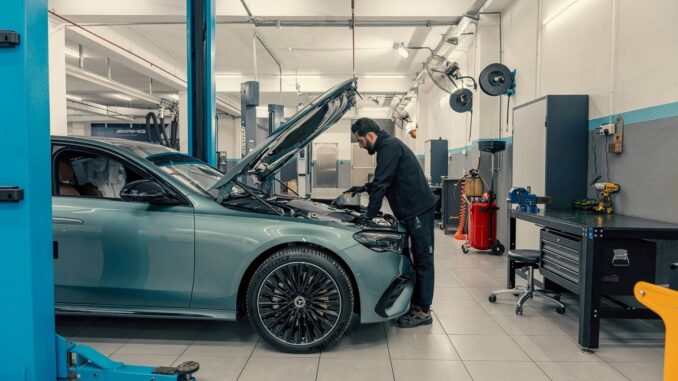
A vehicle is like an athlete when travelling long distances. Extended travel can put an immense amount of stress and wear and tear on both the machine and you.
Creating a detailed checklist will help prevent unexpected problems from occurring during your trip and save you money.
Inspect fluids with purpose
Most people check their oil levels, add windscreen washer fluid and are done. Put a small sample of your motor oil onto a white piece of paper and inspect for debris or colour changes. Metal flecks in your oil could be a sign of a bearing failure which might happen half-way through your trip. The power steering and brake reservoirs should receive the same level of inspection as well. If either fluid shows a burnt smell, flush and replace rather than topping up.
More than just checking your tyres
Checking tyre pressure is routine. Still, heat cycles from long Interstate or motorway runs will degrade the rubber even though your tread may look deep. Rotate tyres so the pair that ran front in daily use now rides rear. Next, take the measurements of your tyre’s inside and outside rib tread depth. If it indicates a difference of four millimetres, then your vehicle has an alignment issue that could get worse after tens of thousands of kilometres. Make sure to have the vehicle aligned before adding luggage.
Electrical load reality check
Newer vehicles consume much more electricity than older models. The addition of items such as a cooler in the fridge, a dash camera and charging phones using rapid charging technology consumes electric power that was previously consumed by interior lighting or windscreen wiper operation during a storm. Check the overall electrical system performance by operating all accessories simultaneously while idling – lights, radio, charger – and monitoring the voltage using a basic 12 volt plug-in monitor. Anything under thirteen volts means the rectifier is weakening. Replace or rebuild before your trip, not on a breakdown beside a rural petrol station that stocks nothing beyond snacks.
Cabin comfort as safety
Driver fatigue rises when the cabin temperature keeps shifting over long hours on the road. Before any extended trip have a technician test the vent temperature and check the system pressure properly. Weak cooling often points to a small leak, a worn compressor or restricted airflow that gets worse once the vehicle is fully loaded and driving in hotter conditions. A proper car air conditioning service can also improve comfort, reduce strain on the system and help keep the driver focused for longer stretches behind the wheel.
Conclusion
An extended journey tests every system on your vehicle, from oil galleries to USB sockets. Take time to study fluid quality, rotate and measure tyres, simulate worst-case electrical demand and fine-tune the climate circuit days before departure. Each check needs less than thirty minutes yet prevents hours lost waiting for roadside assistance far from reliable help. Preparation is not as much fun as stargazing on your trip, but arriving without a breakdown feels better than any playlist or scenic stop you could plan. You will also enjoy better fuel economy, smoother steering feedback and confident braking, even when the terrain turns steep and demanding at altitude.
Photo by Esmihel Muhammed from Pexels



1 Trackback / Pingback