

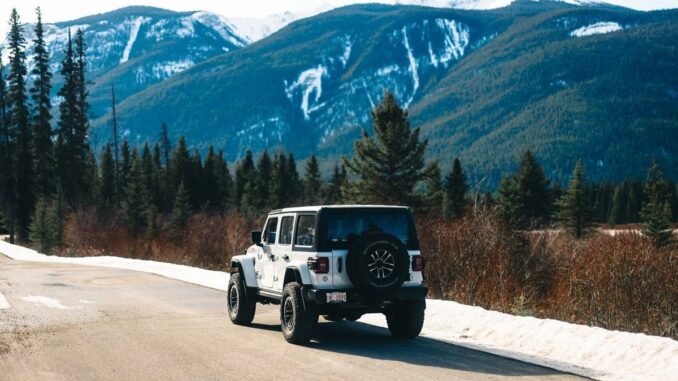
A relaxing road holiday starts well before you pull out of the driveway. Route choices, vehicle checks and a few thoughtful comforts can prevent common problems from taking over the trip. Prepare the essentials early, leave some room for spontaneity and give yourself enough time to enjoy places that would be easy to miss on a rushed schedule.
Mapping scenic routes and rest stops
Build your route around realistic daily distances, allowing time for meals, viewpoints and unplanned stops. Around four to six hours of driving per day is comfortable for many travellers, though families and anyone sharing the trip with pets may need more frequent breaks.
Thinking through the basics before departure can make a long drive much easier. A practical road trip checklist can help you remember preparations that are easy to overlook, from packing essentials to planning stops.
When planning a road trip route, include regular breaks, fuel stops and a few alternative routes in case traffic, road closures or weather change the day. Scenic detours can also make the journey more enjoyable when the schedule has enough flexibility.
Save fuel stations, public toilets and food stops to an offline map before departure. Mobile coverage can disappear quickly outside towns. Check opening hours too, since rural businesses may close earlier than expected. Plan a rest every two hours and mark one alternative overnight stop in case weather or fatigue slows your progress.
Booking an inspection with a mechanic
Arrange a vehicle inspection one or two weeks before leaving. This gives the workshop enough time to identify worn parts and order replacements without forcing you into a last-minute repair.
Ask the mechanic to check the battery, tyres, brakes, fluid levels, cooling system and air conditioning. If you’ll be travelling through the Albury-Wodonga region, local servicing can also address mechanical and auto-electrical faults before they become roadside problems.
Tell the workshop how far you expect to travel and whether the route includes steep roads, gravel surfaces or remote stretches. Preparing for driving on scenic routes can also help you anticipate road conditions that may place extra strain on the vehicle. Keep the inspection receipt and roadside assistance details in the glovebox.
Packing smart for passenger comfort
Keep the items needed during the day within reach instead of burying them under luggage. A small cabin bag can hold water, snacks, tissues, charging cables, sunglasses and any regular medication. Pack food in resealable containers to limit spills and choose snacks that won’t melt or leave crumbs throughout the car.
Layers work well when temperatures change between regions or passengers have different preferences. Include a light jumper, a compact blanket and window shades for exposed parking areas. For children, rotate a few books, puzzles and downloaded programmes instead of handing over every activity at once.
Distribute heavier luggage low and close to the centre of the vehicle. Nothing should block the driver’s rear view or sit loose on the parcel shelf. Leave enough empty space to add groceries or an overnight bag without repacking the entire boot.
Contingency planning for rural routes
Download offline maps and write down key addresses before entering sparsely populated areas. Your contingency kit should include drinking water, shelf-stable food, a torch, a portable charger, basic first-aid supplies and clothing suitable for colder conditions. Carry enough water for every passenger plus an extra supply in case a road closure adds several hours.
Check the weather and road conditions each morning. If heavy rain, extreme heat or poor visibility develops, change the day’s plan early instead of hoping conditions improve along the way. Tell a friend or relative where you expect to stop that evening and update them when the route changes.
Before leaving each town, check your fuel level and the distance to the next confirmed service point. That simple habit keeps remote sections manageable and lets the final kilometres of the day feel like part of the holiday, not a race against a warning light.


Be the first to comment