


A vehicle breakdown far from home can turn an exciting road trip into an expensive, stressful ordeal, especially when worn tyres, low fluid levels or overlooked mechanical problems catch you off guard. You want to enjoy the journey with confidence, avoid unexpected repair bills and reach your destination safely without unnecessary delays. A few essential pre-trip checks can help you spot potential problems early and make sure your vehicle is ready for the road.
Checking essential fluid levels
Park on level ground and let the engine cool before checking fluids. Start with the engine oil, using the dipstick and the grade listed in your owner’s manual. Check the coolant reservoir, brake fluid and windscreen washer fluid next. Some vehicles also let owners inspect transmission or power steering fluid, while others require workshop equipment.
The manufacturer’s maintenance schedule will tell you when fluids need replacement and not merely topping off. Watch for puddles beneath the vehicle, cloudy fluid or a burnt smell. These signs deserve attention before you leave, even if the dashboard shows no warning lights.
Schedule a professional checkup
Book a workshop visit one or two weeks before departure, particularly if a service is due or the vehicle has developed a vibration, unusual noise or warning light. This timing leaves space for parts to arrive and repairs to be completed without a last-minute rush.
A qualified mechanic can assess the brakes, battery, cooling system, belts, hoses and suspension. Ask for an estimate before approving work and mention the expected distance, road conditions and passenger load. A vehicle carrying four people and luggage for 1,000 miles may place more strain on its cooling and braking systems than it experiences during short daily errands.
Evaluating tyre tread and pressure
Inspect every tyre including the spare if your vehicle has one. Look for cracks, bulges, embedded objects and uneven wear across the tread. Uneven wear can point to alignment or suspension issues, while a damaged sidewall usually calls for professional assessment.
Follow official tyre pressure guidance and use the pressure shown on the driver’s door placard or in the owner’s manual. Don’t rely on the number printed on the tyre’s sidewall. Measure pressure when the tyres are cold, ideally before driving in the morning. Confirm that the jack, wheel wrench and locking wheel nut key are also accessible.
Packing an emergency travel kit
Store a compact travel kit where you can reach it without unloading the entire trunk. Useful basics include:
- A flashlight with spare batteries
- A first-aid kit
- Drinking water and shelf-stable snacks
- A phone charging cable and power bank
- Reflective markers
- Work gloves and basic tools
- A tyre inflator and pressure gauge
- A paper map for areas with poor reception
Add supplies that suit the route and season, such as a warm blanket for cold regions or extra water for hot conditions. Save roadside assistance details in your phone and write them on paper as a backup. Before leaving tell someone your planned route and expected arrival time.
Finish your preparation with a short local drive after any maintenance work. Listen for unfamiliar sounds, check that warning lights stay off and make sure the vehicle tracks straight. That final test run is far easier to manage close to home than several hours into the trip.
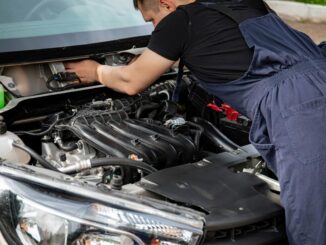
Photo by Gustavo Fring from Pexels


Be the first to comment