


There’s nothing quite like the freedom of the open road. A road trip offers a unique sense of adventure, letting you discover hidden gems and make lasting memories at your own pace. But a successful, stress-free journey needs more than just a good playlist and a full tank of fuel. Good preparation is key to making sure your adventure goes smoothly from start to finish. This guide covers the essential checks you should make before you set off.
Planning your route wisely
Before you even turn the key, a well-thought-out route can make all the difference. Modern GPS apps are great for real-time traffic updates and directions but it’s smart not to rely on them completely. Start by looking at a larger map to get a sense of the whole journey. This helps you spot potential alternative routes, scenic detours and interesting towns you might otherwise miss.
Plan for regular stops. A good rule of thumb is to take a break every two hours to stretch your legs, have a drink and rest your eyes. Factor in stops for fuel and food and try to find them ahead of time, especially if you’re travelling through remote areas where services might be scarce. Check for any planned roadworks, closures or toll roads along your path. Websites like National Highways in the UK provide up-to-date information that can save you from unexpected delays. Finally, build some flexibility into your schedule. The beauty of a road trip is spontaneity, so leave a little room for an unplanned stop at a beautiful viewpoint or a charming village café.
Vehicle health: what to inspect
Your car is your most important piece of equipment on a road trip, so making sure it’s in top condition is a must. A breakdown can be costly, stressful and really put a damper on your plans. A few simple checks before you leave can greatly reduce the risk of trouble on the road. Many of these are simple enough to do yourself.
Start with the essentials. Use a checklist to cover all the bases, so you don’t forget anything critical. Here are the key areas to focus on:
- Tyres: Check the pressure of all four tyres (and the spare) when they are cold. You’ll find the correct pressures in your vehicle’s handbook or on a sticker inside the driver’s door jamb. Also, inspect the tread depth. The legal minimum in the UK is 1.6mm but for a long trip more is better.
- Fluids: Check your engine oil, coolant and windscreen washer fluid levels. Top them up if needed. If you’re not sure how, your car’s manual will show you.
- Lights and wipers: Test all your lights – headlights, indicators, brake lights and fog lights – to make sure they’re working. Also, check your windscreen wipers for any signs of wear that could make it hard to see in heavy rain.
Taking care of your vehicle isn’t just about pre-trip checks. Preparing for a long journey also means thinking about how you drive and making sure you have the right insurance in place. For drivers looking for a policy that takes their driving behaviour into account, black box insurance combines insurance cover with telematics technology that monitors factors such as speed, braking, acceleration and cornering. The information gathered can help insurers assess driving behaviour and may help eligible drivers access a more personalised premium while also encouraging safer habits behind the wheel.
Packing smart for the journey
When it comes to packing for a road trip, the goal is to be prepared without turning your car into a cluttered mess. Overpacking can make the vehicle feel cramped and make it hard to find what you need. Think strategically and pack in categories. Keep a small bag with daily essentials easily accessible in the cabin, rather than buried in the boot.
Pack your clothing in soft bags or packing cubes. These are more flexible and easier to fit into awkward spaces than rigid suitcases. Remember to pack for different weather conditions, including a waterproof jacket and warmer layers, even if the forecast looks sunny. For the car itself, think about items that will make the journey more comfortable. A phone mount is essential for safely using navigation, while a multi-port USB charger will keep everyone’s devices powered up. Sun shades for the windows can be a lifesaver on bright days, especially for passengers in the back.
Don’t forget snacks and drinks. Having water and some non-perishable snacks like cereal bars, nuts or dried fruit can prevent unnecessary stops and help keep your energy levels up. A small cooler bag can be great for keeping drinks and sandwiches fresh. A comprehensive road trip checklist can be invaluable for making sure you don’t forget any of these smaller but important items.
Driver safety and awareness
Long hours behind the wheel demand focus and stamina. The single most important factor for driver safety is being well-rested. Drowsy driving causes many accidents, so make sure you get a full night’s sleep before a long drive. On the road plan to take a break of at least 15 minutes every two hours. Use this time to get out of the car, walk around and get some fresh air. Road trip safety tips can also help you prepare for common risks before setting off.
According to road safety charity RoSPA, driver fatigue can be as dangerous as drink-driving, impairing coordination and reaction times. If you feel tired, pull over somewhere safe and take a short nap. Sharing the driving with a companion is an excellent way to manage fatigue on a long journey, allowing each person to rest properly.
Distractions are another big risk. Set up your navigation and music before you start driving and resist the temptation to use your phone while on the move. Even hands-free calls can be distracting. If you need to make a call or adjust your route, wait until your next scheduled break or pull over in a safe spot. Be mindful of local driving laws and speed limits, especially if your road trip takes you into another country where rules might differ.
Emergency preparedness kit
Even with the most careful planning, things can sometimes go wrong. Having an emergency kit in your car means you’ll be prepared to handle common roadside issues safely and effectively. You can buy pre-made kits but it’s easy and often better to put together your own, customising it to your specific needs and journey.
Your kit should be stored in the boot where it’s secure but easy to get to. Essential items include:
- A high-visibility vest for every passenger
- A warning triangle
- A well-stocked first-aid kit
- A powerful torch with spare batteries
- Jump leads
- Basic tools like a wrench or spanner and screwdrivers
- A tyre pressure gauge and a portable inflator
Beyond this, it’s a good idea to pack a warm blanket, a bottle of water and some long-life snacks in case you’re stranded for a longer period. Make sure your mobile phone is fully charged and consider carrying a portable power bank as a backup. Finally, have your breakdown cover details and other emergency contact numbers saved on your phone and also written down on a piece of paper stored in the glove box, just in case your phone runs out of battery.
With your route planned, your vehicle checked and your bags packed, you’re ready for an unforgettable adventure. A little preparation goes a long way in making sure your road trip is memorable for all the right reasons.
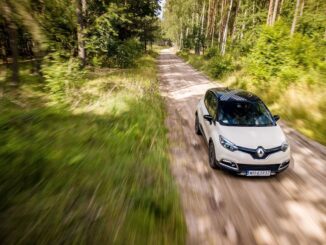
Photo by MART PRODUCTION from Pexels


Be the first to comment