


Overlanding is more than just a road trip it’s a commitment to self-reliant travel to remote destinations where the journey itself is the primary goal. Unlike a typical holiday it requires careful planning, vehicle preparation and the ability to handle unexpected challenges along the way. This comprehensive guide to adventure travel highlights that preparation is everything, turning potential problems into manageable challenges.
Planning your overland route
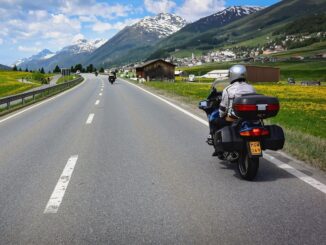
Your route is the backbone of your adventure. Whilst spontaneity is part of the fun, a solid framework is essential, especially in remote areas. Start with digital mapping tools to get a broad overview but always supplement these with physical, large-scale paper maps of the regions you’ll be crossing. Paper maps don’t run out of battery and often contain details about terrain that digital versions miss.
Careful consideration of vehicle capabilities is paramount, especially when contemplating routes that venture far from established infrastructure. This involves assessing factors like ground clearance, drivetrain type and the suitability of existing storage solutions for extended trips. Many overlanders find that integrated storage and sleeping systems offer a more efficient use of interior space for gear and provisions than simply packing loose items. Investing in modular campervan furniture can significantly enhance both comfort and utility, allowing for flexible arrangements whether you need dining space, a sleeping area or secure stowage for essential supplies.
Consider your vehicle’s fuel range and plan your refuelling stops accordingly. In vast, sparsely populated areas, the next petrol station could be hundreds of kilometres away. The same logic applies to water and food supplies. Research potential campsites or safe places to stop for the night, noting any permits or fees required. Finally, share your intended route and a rough timeline with someone back home.
Vehicle modifications for remote areas
Your standard family car might not be cut out for the demands of true overland travel. Equipping your vehicle for the journey is a critical step. Upgrades can range from simple additions to major overhauls, depending on your destination’s terrain. Common modifications include all-terrain tyres for better grip, upgraded suspension to handle rough tracks and a snorkel if you anticipate water crossings.
Additional fuel and water tanks are also wise investments for extending your range and self-sufficiency. A dual-battery system can power fridges, lights and communication equipment without draining your starter battery. For a detailed look at what to prioritise exploring lists of top vehicle mods for remote journeys can provide excellent inspiration and practical advice tailored to different types of adventures.
Essential spares and tools
A well organised toolkit can be the difference between a minor delay and a trip-ending disaster. You don’t need to be a master mechanic, but you should carry the tools and spares to handle common roadside issues.
Your kit should include:
- A full-size spare tyre and the tools to change it
- A quality tyre plug kit and a portable air compressor
- A comprehensive socket and spanner set
- Essential fluids like engine oil, coolant and brake fluid
- Recovery gear, including kinetic ropes or straps, shackles and traction boards
- Fuses, electrical wire and a multimeter for diagnosing electrical gremlins.
Before you leave, practise using your equipment. Knowing how to safely use a high-lift jack or plug a tyre in your driveway is much better than learning on the side of a dusty track.
Troubleshooting Common Issues on the Road
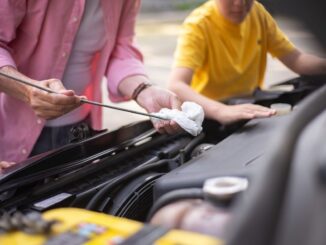
Even with the best preparation, things can go wrong. The most common issues you’ll face are flat tyres, overheating engines and minor electrical faults. Learning to diagnose these problems is a key skill. If the engine temperature starts climbing, pull over safely, check your coolant levels and look for leaks. If your electronics fail, start by checking the fuses.
Knowing your limits is just as important as knowing how to fix things. Whilst you might be able to patch a hose or change a tyre, more complex mechanical failures will require professional help. If you’re dealing with serious engine trouble or transmission problems, your best bet is to get the vehicle to the nearest town. Many overlanding vehicles are based on SUVs, trucks or heavily modified touring rigs that require specialised servicing. If you’re dealing with serious engine trouble or transmission problems, your best bet is to get the vehicle to the nearest town. Many regional centres have specialists in truck repairs who have the experience and equipment to diagnose and repair the robust systems found in larger adventure vehicles.
Finding reliable assistance abroad
Breaking down in a foreign country adds another layer of complexity. Language barriers and unfamiliar business practices can make finding trustworthy help a challenge. Before your trip, research online forums and social media groups dedicated to overlanding in your destination country. These communities are an invaluable resource for recommendations on reliable mechanics.
When you find a workshop, be clear and concise about the problem. Using translation apps can help bridge any communication gaps. Always agree on a price before work begins and ask for an itemised quote if possible. Carrying some local currency is also crucial, as not all small, rural workshops will accept credit cards.
Preparation is what separates a great adventure from a stressful ordeal. By planning your route, equipping your vehicle properly and knowing how to handle common problems, you set yourself up for an incredible journey.
Photo by cottonbro studio from Pexels
Be the first to comment