

Wine pairing is a science. Pairing wine with films is an art form. Some pairings and perfect pours are obvious. Some not.
Chianti is the obvious go-to-wine to watch Hannibal and The Silence of Lambs although Amarone was the wine featured in the original script. The Godfather trilogy begs for Majestic’s and Stefano Chioccioli’s Nero Oro. For The Sound of Music, it has to be A Gruner Veltliner while something from Chile’s famous wine valley is the one for Casablanca.
Californian Chardonnay is a must for La La Land, Barbie and other musicals. Bond films mean Champagne.
Gladiators drank an energy-boosting tonic made from plants ashes. It was their Gatorade so you really should accompany Russell with that. Alternatively, perhaps, a Frascati or a Roman Cesanese. Claret is perfect with horror films. Saw films pair beautifully with Syrah and port.
So, what about Napoleon? What should you drink during a biopic of an Ajaccio winemaker born on the Granite island of Corsica. What should you drink with Joaquin Phoenix?
Films portray Corsica as a place of scrubland, beaches, vendettas and banditry. The cookery shows spotlight their “oursin” urchins, the “figatelli” pork and liver sausages and talk up the cured hams and ripened brocciu cheese. But they ignore the excellent wines.
Tuscan Sangiovese grapes probably first came under Pisa rule. Under the Genoese, sought-after wines from Corsica were described as “Greek style”. The Algerian war of Independence brought French pieds-noirs whose plantings later filled up the infamous European wine lake. In 1980 the EU stepped in, subsidising the mass uprooting of the vines and incentivising limited yields and higher quality wines. Old grapes were reintroduced. So, you can now drink modern wines that probably go back to Napoleonic times. From grapes like Sciacarello, Nieluccio and Vermentino.
Oenophiliac salivate through words like “salted almonds”, “garlicky” vegetables, salmon steaks and grilled prawns. They enthuse about “elevage”, “maquis herb”, “lobster”, “briary reds” and “onion-hued roses”.
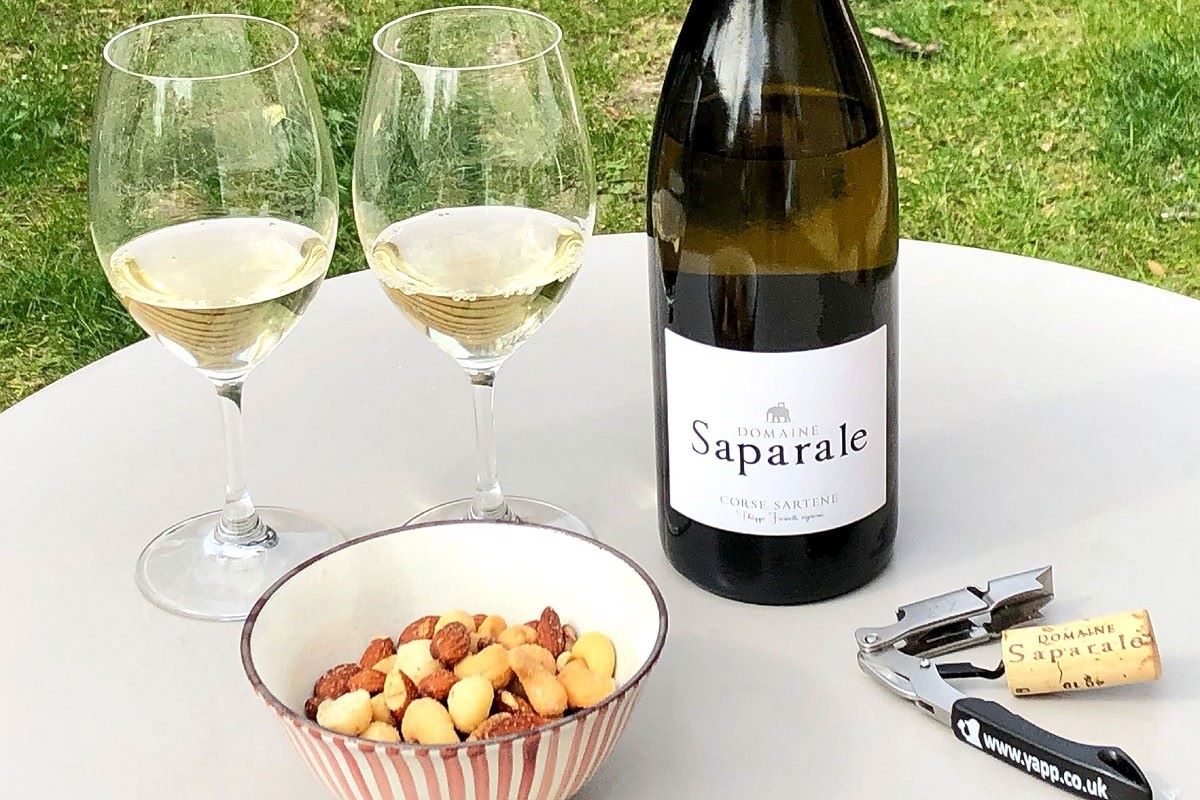
Classy Corsican wine makes you want to drop everything and start encrusting your salmon and dressing your crab with garrigue herbs. Wines from the Granite Isle are perfect if you are a seafood lover with a Napoleonic complex. Especially Lina Pieretti’s terrific gastronomic blanc from the Cap Corse.
There’s much I don’t have in common with Napoleon. My wife never sleeps with Hussars behind my back. To my knowledge. She doesn’t arrange dynastic marriages for our children. The current whereabouts of my penis is not under common dispute. I wasn’t born with teeth. I’m not scared of cats. My CV doesn’t have sixty battles on it.
I have never had a Cognac, airport or a deep-sea wrasse with outsized lips and a protruding forehead named after me. I don’t own a mameluke, a bicorne hat or any horse. I have never sported a cockade. The original Louvre Mona Lisa has never hung on my bedroom wall. I am not one of the founding fathers of food preservation. I have never designed a national flag or been an Emperor.
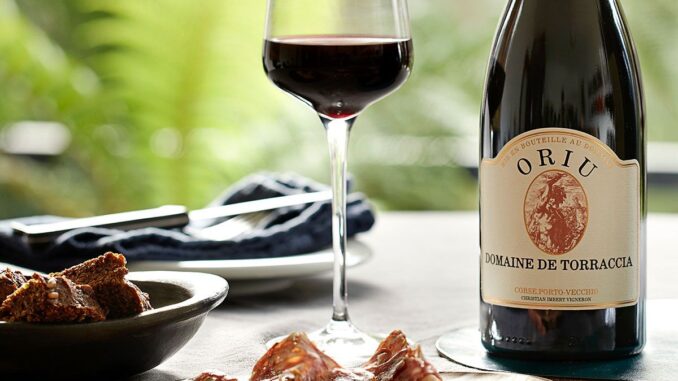
But I do love Corsican wine. Particularly Phillipe Farinelli’s Domaine Saparale Vin de Corse Sartene Blanc, Christian Imbert’s Porto Vecchio Domaine de Torracia rouge and rose and Domaine Pieretti Muscat, which are all available from www.yapp.co.uk.
But especially Imbert’s Cuvee Orniu which gets its name from the Corsican for a “cache” of valuable things that should be stashed away and the Mediterranean island’s AOC Patromonio Domaine Pardella made at Poggio d’Oletta by Lionel Wojcik of St Emilion’s Château Alverne and François Mitjavile (Château Le Tertre Roteboeuf, Roc de Cambes, Domaine de l’Aurage) who, to recreate the humidity of Bordeaux cellars, spray a mist of water over the barrels every half an hour. Albeit robotically. But that is still true vinous TLC.
According to historians, Napoleon’s s favourite wine was Gevrey-Chambertin. He even took a few palettes to Russia with him. Fixin’s Domaine Pierre Gelin produces a Premier Cru Clos Napoléon. Formerly called Aux Cheusots, the vineyard was originally owned by Claude Noisot, the surgeon to Emperor Napoléon, who renamed it in honour of his famous patient. In last three months of 1816 alone, Forrest says, over 3,700 bottles of wine were delivered to Longwood Napoleon’s estate in exile, among them 830 bottles of Bordeaux.
Occasionally, I do put my hand inside my shirt front and puff out my chest imperiously. But only when I have heartburn and un-neutralized stomach acid is getting the better of me. Because I am not eating enough and drinking Corsican wine too quickly.
Because I can’t get enough of it. Because it is good. It could be better of course. But fresh urchins are so hard to find these days.
Author Bio:
Kevin Pilley is a former professional cricketer and chief staff writer of PUNCH magazine. His humour, travel, food and drink work appear worldwide, and he has been published in over 800 titles.
Photographs courtesy of Yapp Brothers
Be the first to comment